
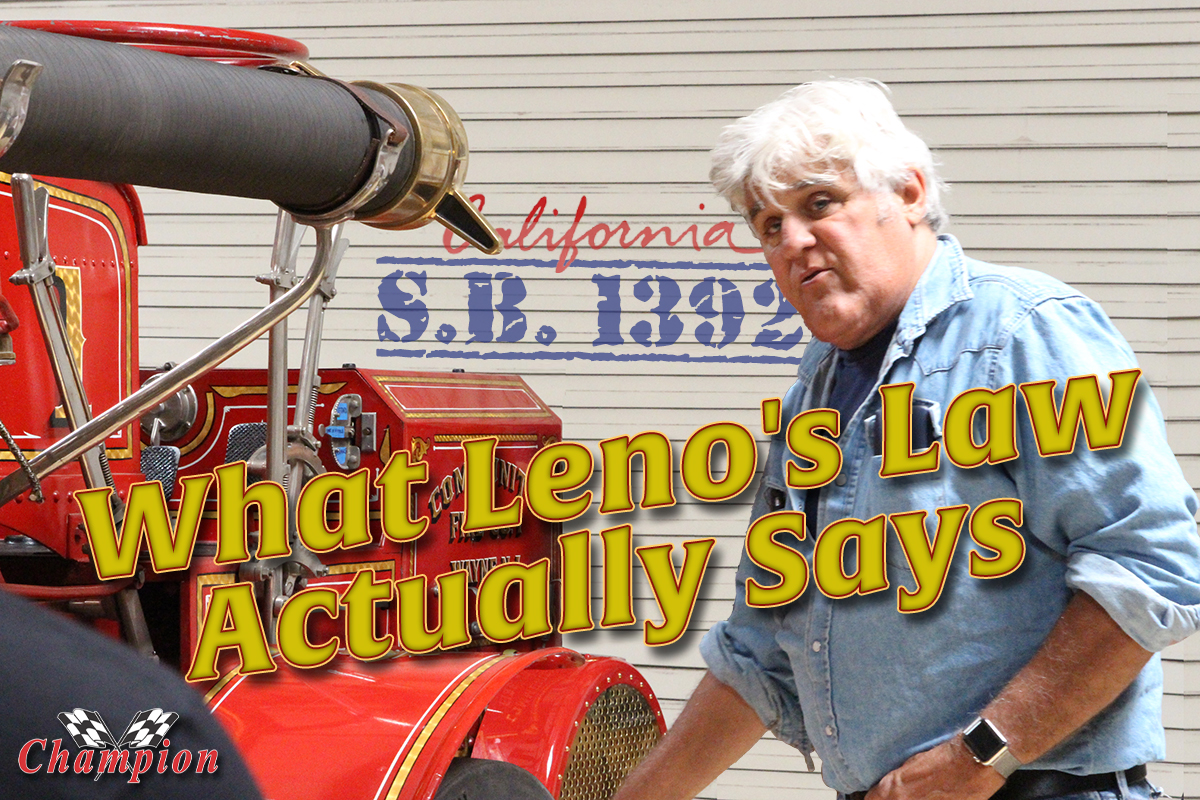
California’s Smog law has been a thorn in the side of many Californians for decades. The rules for its biennial testing requirements have become stricter, and the frustration for gearheads was when the previous regulation of rolling up the the cutoff every year went out the window in the early 2000s. But first, let’s talk about what the vehicle emissions standards are, who enforces them, and who essentially manages them.
The California Air Resources Board (CARB) sets the rules and regulations for the state’s air quality and emissions standards. California’s Bureau of Automotive Repair (BAR) carries out the day-to-day enforcement of those standards through its Smog Check STAR Program. The authority of those standards were granted by the federal Clean Air Act, passed in 1963.
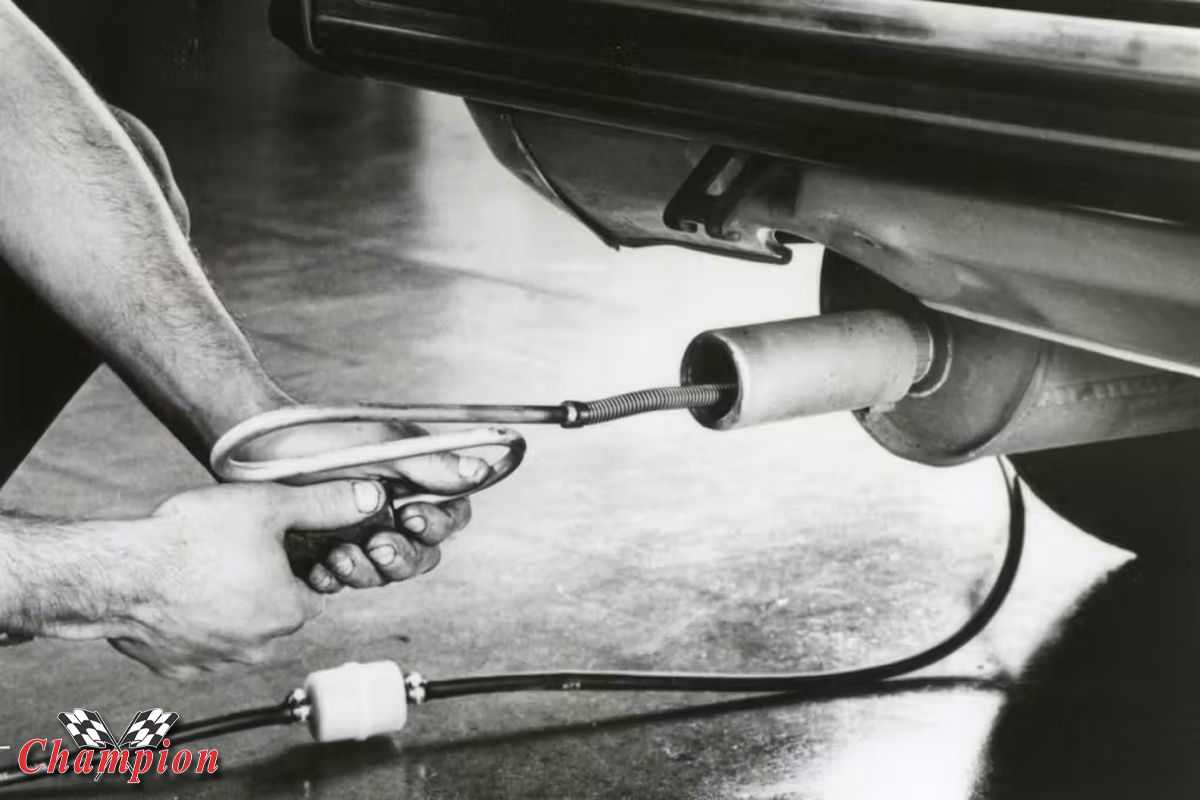
When the Smog Check Program really sunk its proverbial teeth into California back in the late 1980s, the impact sent a ripple through the car culture community, which was primarily in Southern California. The initial Smog Check exemptions were vehicles up through model year 1965. That cutoff was primarily because the first vehicle with actual emissions equipment was produced in 1966, when vehicles had more than just a PCV valve.
Vehicles from 1966 through 1975 were initially Smog Test exempt, but were not actually Smog Check exempt. The actual wording on the BAR website stated that those vehicles would be exempt from biennial testing while maintaining OE emissions components. That meant owners of those vehicles could not remove factory emissions components and still be legal in the state of California. Being “Test Exempt” was the key point, but that verbiage has since been wiped from the BAR website, as of the last time it was checked.
Leno’s Law – Senate Bill 712
The attempt to make changes to California’s Smog Check requirements seems to make its rounds every few years since the mid 2000s. Many hot rodders were looking forward to that additional year to continually be added to the rolling 30-year exemption list for biennial testing. But they were hit with bureaucratic red tape, when legislators decided to repeal the rolling exemption in 2005. Our frustrations started with the 1976 model year, and have been sitting there ever since.
Then car collector extraordinaire Jay Leno came along and with the help of legislators like Senator Shannon Grove who were willing to listen, the first pass of Leno’s Law, Senate Bill 712, was introduced in 2024. Its original intent was to create a rolling 35-year smog exemption, and it passed the Assembly Transportation Committee in July 2025. If it hadn’t died in the Assembly Appropriations Committee, it would effectively move the slider from 1976 to 1981.
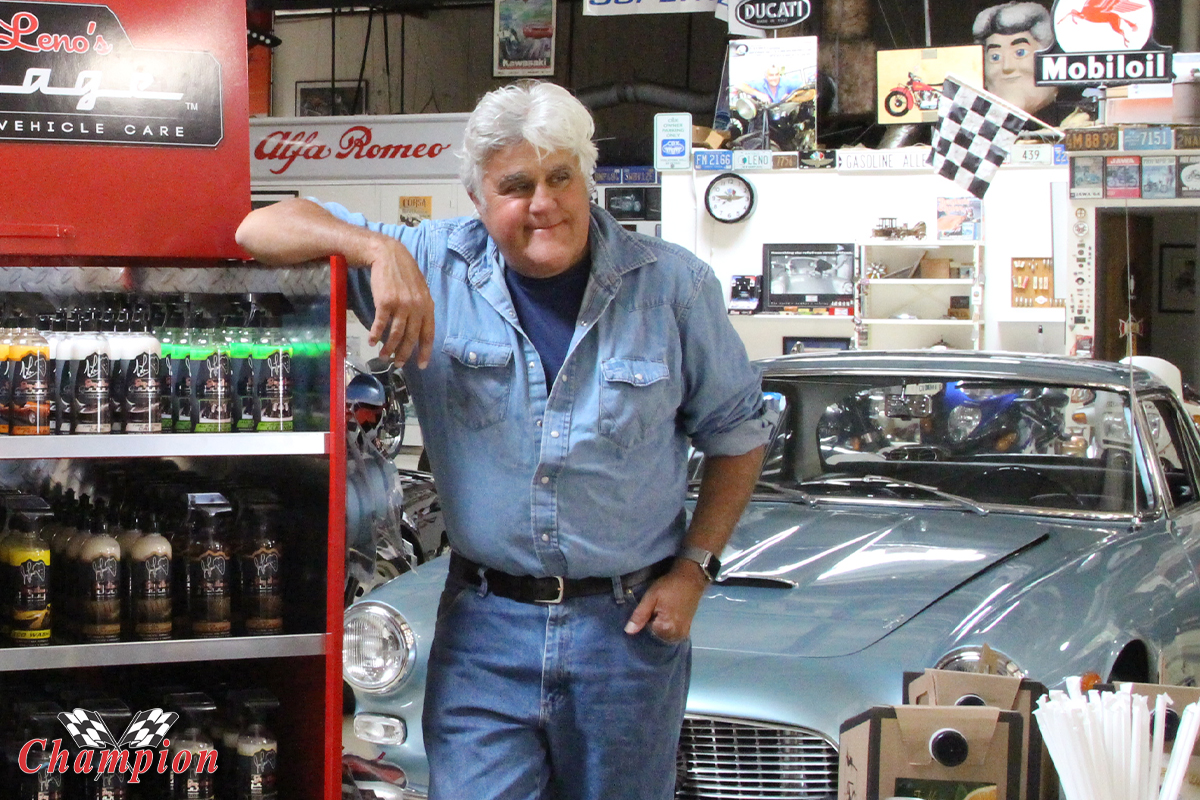
While many hot rodders in California were excited about the progress Leno’s Law had made, it was a false sense of achievement. That’s not because it eventually failed the Appropriations Committee, but because it was never going to be for regular people like you and me who had visions of hot rodding a late 1970s to early 1980s musclecar. SB 712 would have been a disappointment, even if it did pass, however, because it was really written for people just like Jay Leno, and not for your average car collector.
To understand why it was too restricting for regular car owners, you have to understand the conditions that needed to be met in order for SB 712 to pass. You see, for people like Jay Leno, who owns dozens of vehicles, his dilemma is that he drives most of those vehicles perhaps a couple of times each year, if that. But in order to be able to drive those vehicles on California roadways, they have to be registered, and that means any of the vehicles in his collection that were produced after the 1975 model year required biennial testing.
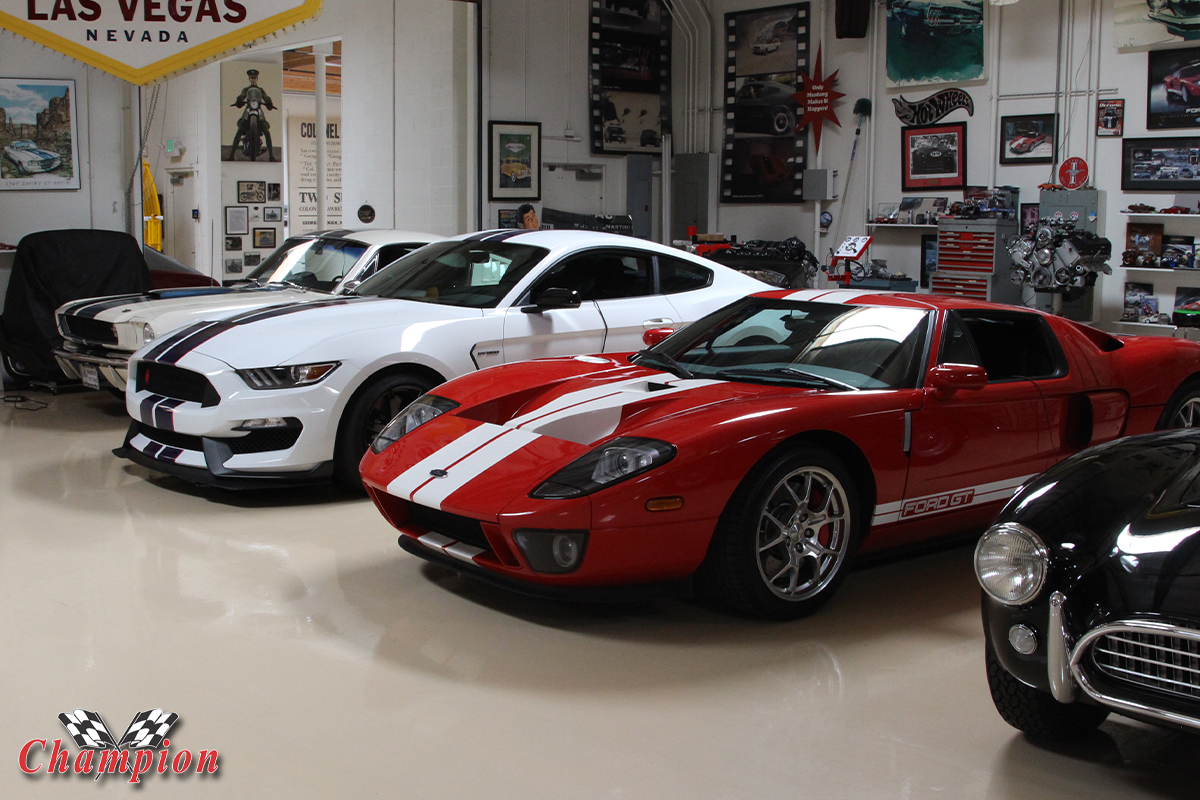
As you can imagine, when you have to get a smog test for dozens of post 1976 vehicles, just so you can drive them once or twice a year, it can get quite costly. First, they have to be taken to a facility, then they have to pass the test, the fees get paid, then you get your registration renewal. Even if you only have a couple of post 1976 vehicles, Leno’s Law was not for you, the gearhead seeking more power. Let me explain.
In order for SB 712 to acquire full approval and change California Smog Check laws for the individual, there were a few conditions that must be met. The first condition, and the one that would have eliminated nearly everyone except an eccentric car collector like Jay Leno, was that you must acquire California’s Historic License Plates for your vehicle, and that’s what put the brakes on for most of us.
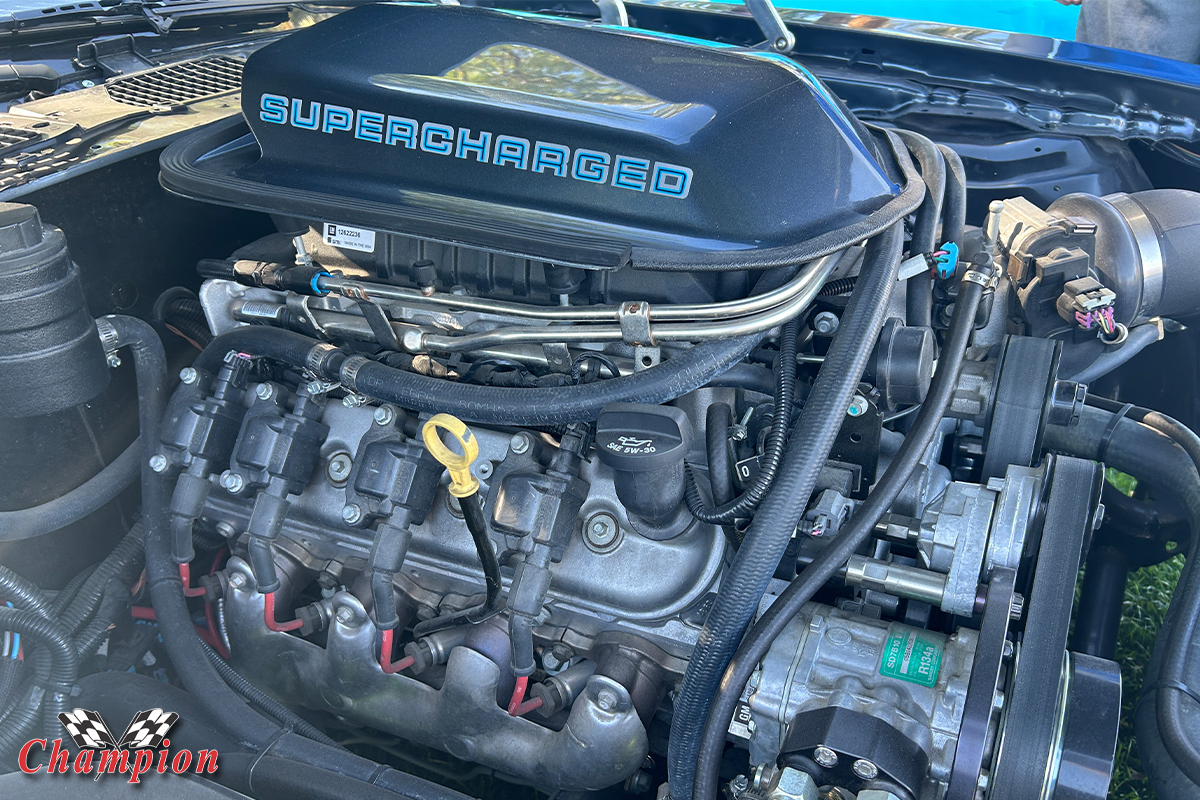
In order to acquire that Historic Vehicle License Plate in California, the vehicle must first have historic interest. The loose definition of “historic interest” basically states that the vehicle is collected, restored, maintained, and operated primarily for historical exhibitions, parades, or club activities. It cannot be used as daily transportation, and most importantly, it cannot be modified. That means no engine swaps, no performance upgrades, and no fun.
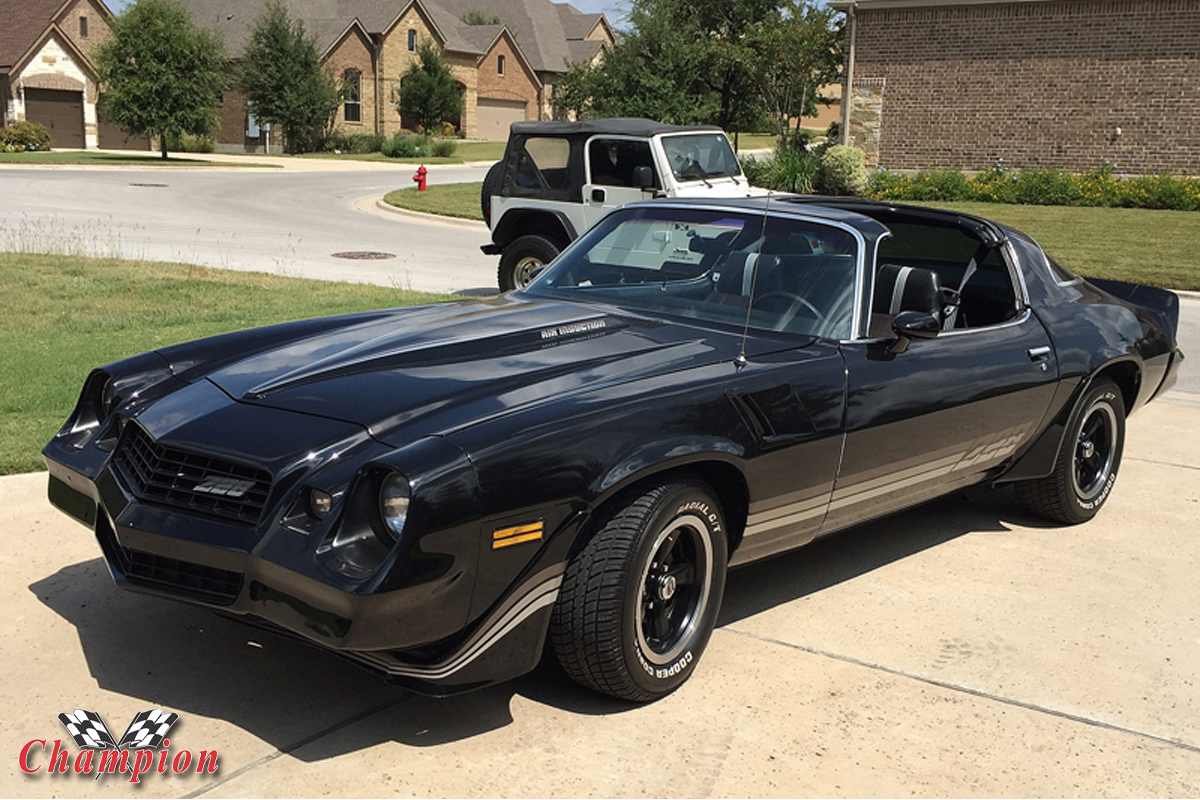
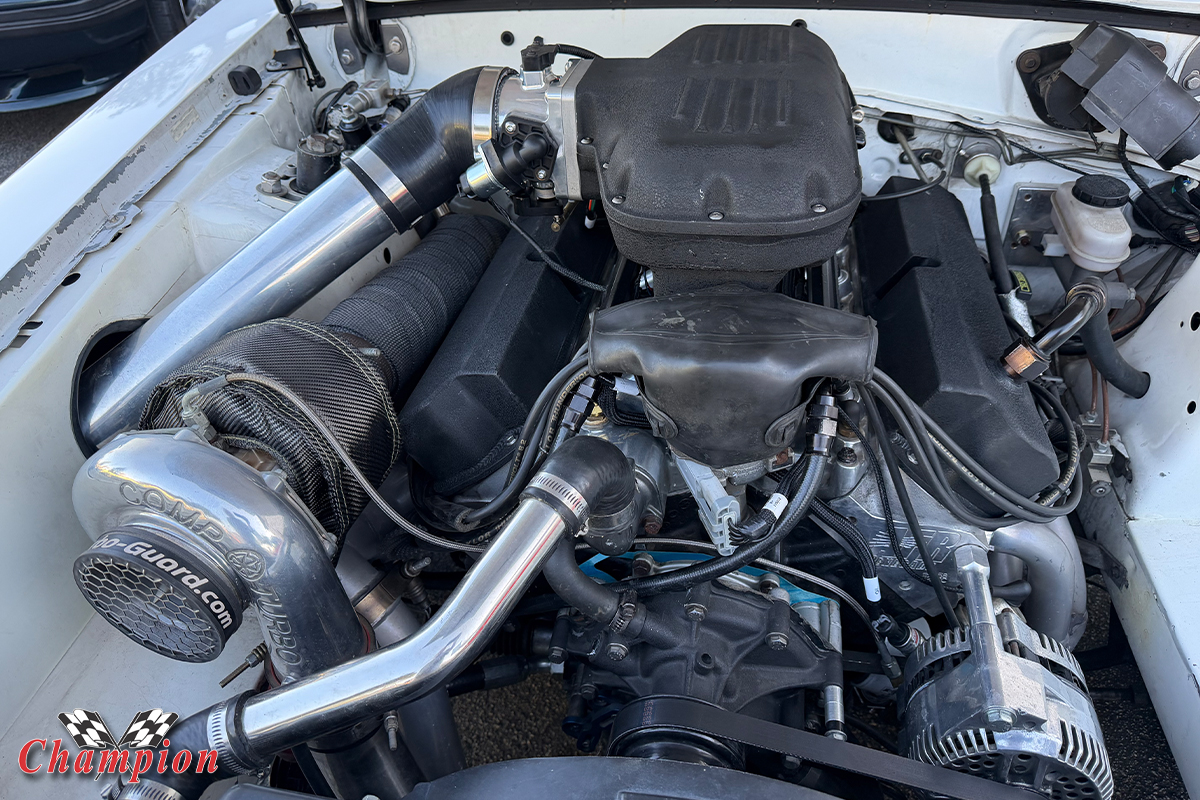
Therefore, even if SB 712 passed, you’re not going to be swapping an LSA into your 1980 Camaro and still qualify for the Historic License Plate in California. If you did meet the requirements for the historic plates, then you can’t legally use that vehicle for leisure drives, casual Fridays at work, or a run to the local burger joint for a bite to eat. Len’s Law, SB 712, works for Jay Leno, it doesn’t pan out for Gary Gearhead. Enthusiasts were excited for SB 712 to pass, but would eventually be let down due to the requirements it imposed that were unobtainable for most of us.
Leno’s Law 2 – Senate Bill 1392
With the amended version of Leno’s Law, now Senate Bill 1392 introduced in February 2026, the requirements aren’t as stringent as they were with SB 712. Namely, the requirement of the Historic License Plates has been amended and removed from the bill. There are some restrictions, however, that might hinder your excitement to some extent, should SB 1392 pass this go around. Like its predecessor, SB 1392 has passed the California Senate in May 2026 with a vote of 29 to 5, which is a good sign. It is currently ordered to the Assembly Transportation Committee and Appropriations Committee.
The amended Senate Bill now focuses more on the vehicle, rather than the owner, which means you don’t need to prove collector status. That’s a nod in a very positive direction for many of us who were caught sitting on the edge of our seats during the initial phase of Leno’s Law. The caveat to this is that while you don’t have to prove collector status or historical significance, your vehicle cannot be your primary transportation, and it will include limitations, such as driving less than 1,000 miles per year.
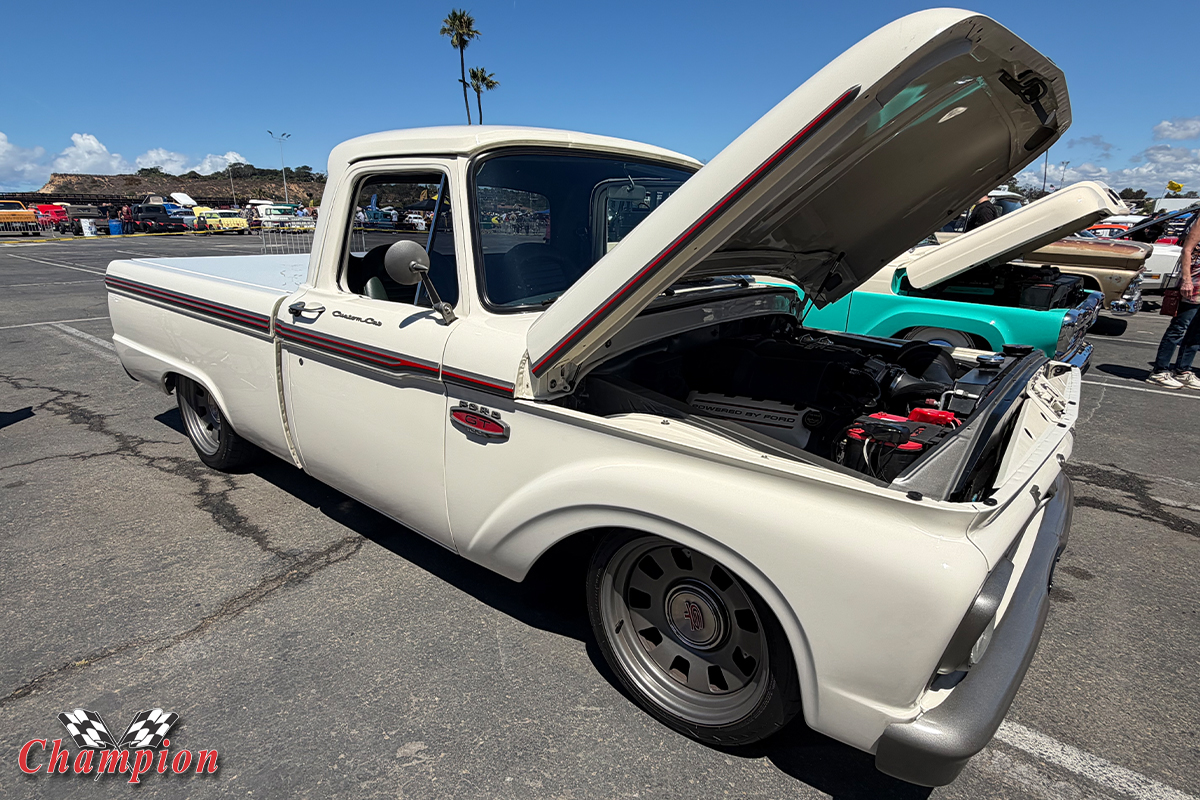
We have a lot of support from the automotive community, namely our friends at SEMA, who have kept a watchful eye on this bill every step of the way, as well as many other laws or regulations that hinder the gearhead community and our innate need for performance parts and accessories for our vehicles.
A Summary of Senate Bill 1392 is as follows:
- Vehicle must be 35 years old, used primarily for car shows, parades, club functions, or historical exhibitions.
- Must not be the owner’s primary mode of transportation, and driven fewer than 1,000 miles per year.
- Vehicle must be insured as a collector vehicle, such as Hagerty insurance.
- Collector vehicle manufactured before 1981 will be exempt from the biennial smog check requirement. (NOTE: it does not say “Smog exempt,” it says exemption from “smog check requirement.”)*
- Exemption will extend by one model year each year until January 1, 2032, when vehicles manufactured before 1986 will be exempt.
- SB 1392 will exempt vehicles manufactured through 1981 from biennial testing, as well as transfer of ownership.
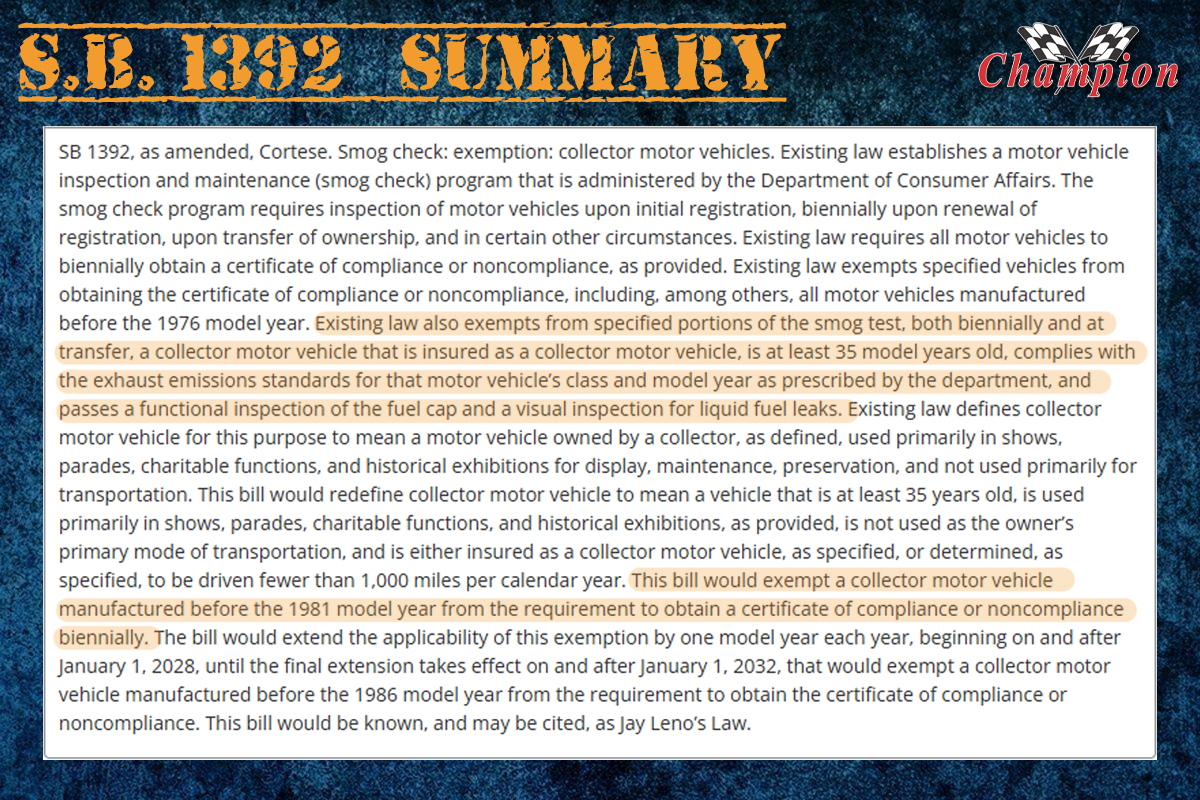
It should be noted from the fourth* bullet point above, that the current Senate Bill doesn’t state that these vehicles are completely exempt from retaining emissions equipment, much like the BAR had noted on prior versions of the requirements for smog test exemption. This is a very significant point to keep in mind, because the law simply eliminates the requirement to obtain a certificate of compliance.
But the wording is vague, as it implies that the vehicle must still comply with exhaust emissions standards and passes a functional inspection of the fuel cap, and a visual inspection for fuel leaks. You may have a different interpretation, but it would behoove you to make sure exactly what the requirements are for SB 1392 before you throw a 671 huffer on your Big Block 1979 Camaro. Remember: It’s the state, they aren’t your friend, so do your own research and homework. There’s a difference between “Smog Exempt” and “Smog Check Requirement Exempt.”