
During the musclecar era, many of us started our journey into hot rodding by flipping the lid. We were sure that we could feel the horsepower gains that reduced our stop light to stop light times. The truth was that any performance increase was really negligible, those assumed gains were masked by the throaty sound of the engine pulling air through an open element.
When we started moving into open element air cleaners, like the popular K&N filters, it left us with a required modification that made a mess of our carburetor, and the inside of the air filter. The PCV valve that was previously routed to the factory air cleaner got routed to the performance air cleaner, and the oily residue that passed up through the PCV ended up swirling around inside of our new filter element, leaving remnants of that blow-by behind.
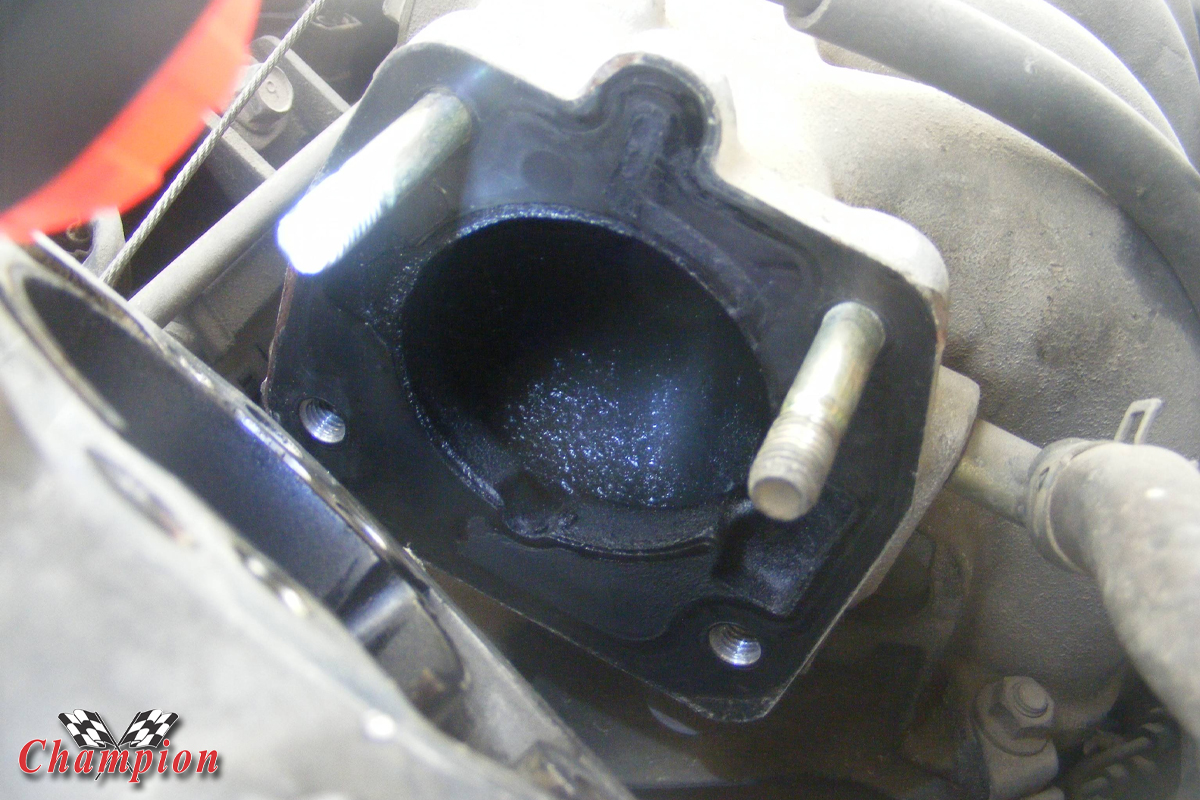
We often saw that oily residue on our after market air cleaners, and with more modern vehicles you see that residue inside the intake manifold. While the concept of taking those oil vapors and sending them through an incinerator, like the combustion chamber, it doesn’t mean that some of that nastiness won’t stay behind – it always does.
Adding a catch can, or an air/oil separator can reduce the liquid part of the residue from sticking to the walls of your intake manifold. As the air swirls inside the intake, it gets a nice coating that looks much like the photo above. That’s oil and grime that doesn’t make it into the combustion chamber, and the heat of the intake literally bakes it in, much like the oily residue that bakes inside the top of your valve covers.
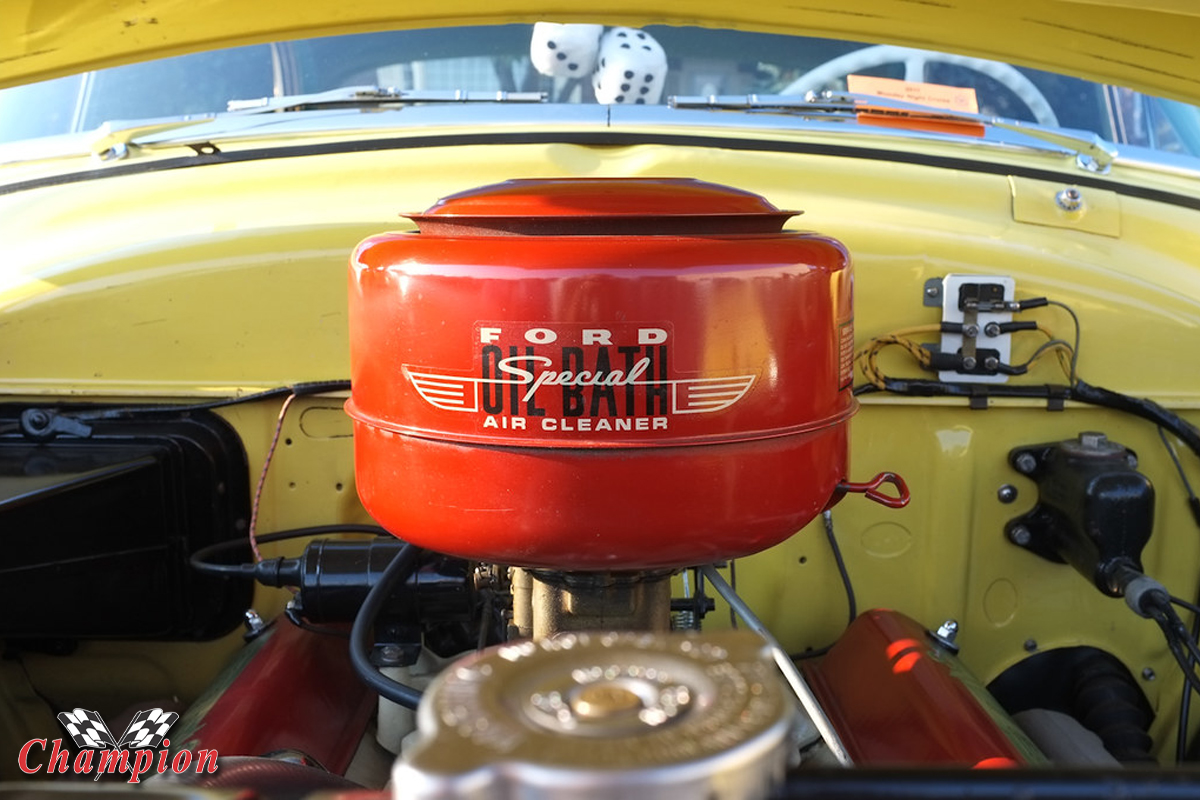
The oil bath air cleaner was used long ago; it managed the oil contamination in the intake system much like the catch can, but they do work in different ways. The oil bath air cleaner used a reservoir of oil to trap the heavy contaminants in the air entering the intake system. Similarly, the catch can traps the heavy contaminants from your PCV and they rest in the bottom of the container, allowing the vapor to pass through the mesh filter and reach the intake manifold, where it’s burned off in the combustion chamber.
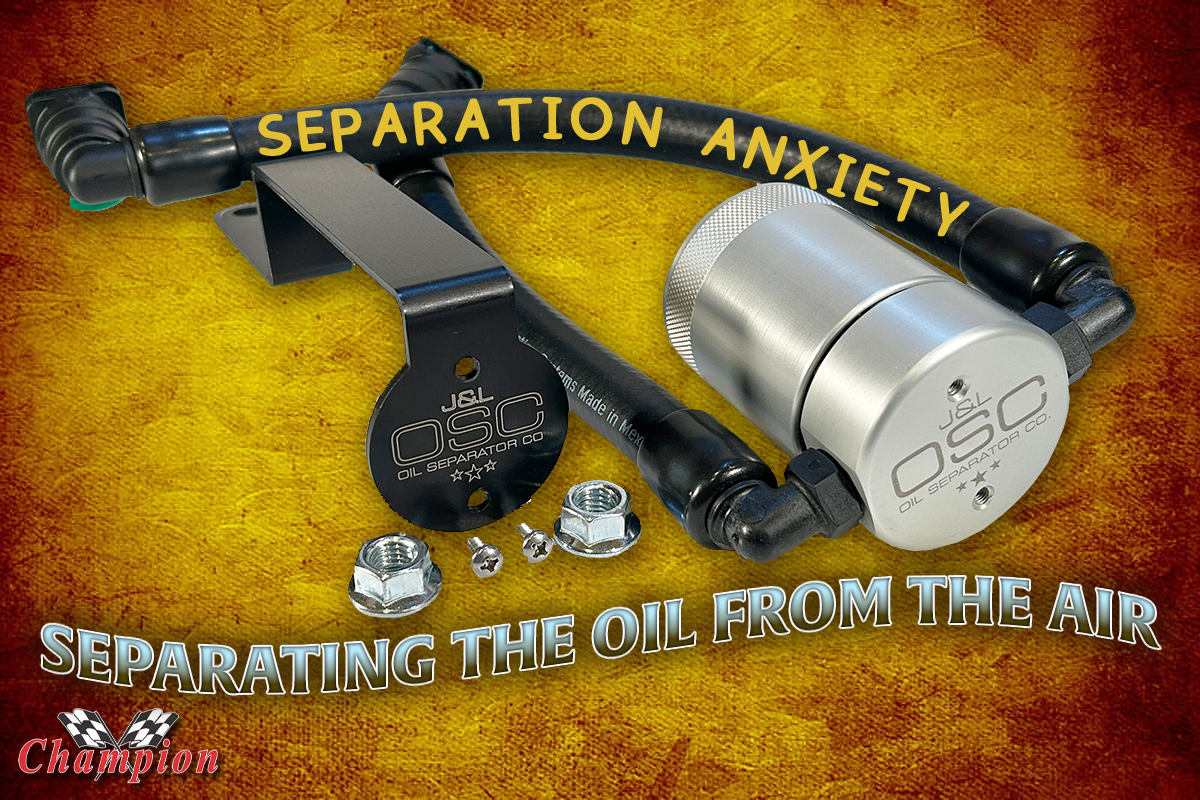
We could often get around the oily air cleaner by running the PCV hose directly to an intake port, but that doesn’t separate the oil from the air. With more and more modern engine swaps being done on classic cars, the catch can is quickly becoming a vital part of positive crankcase ventilation and keeping your intake cleaner. We spoke with Vinnie from J&L OSC about his Oil Separators and how they may differ from the popular Catch Can.
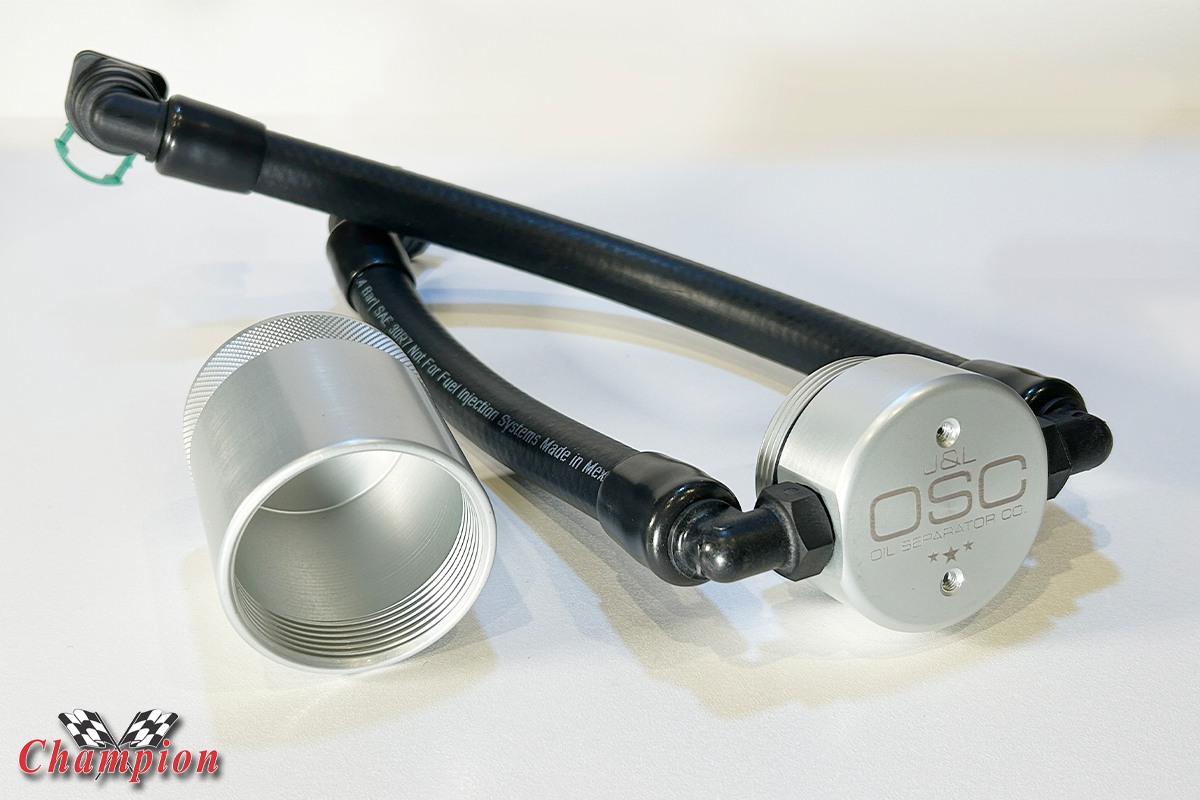
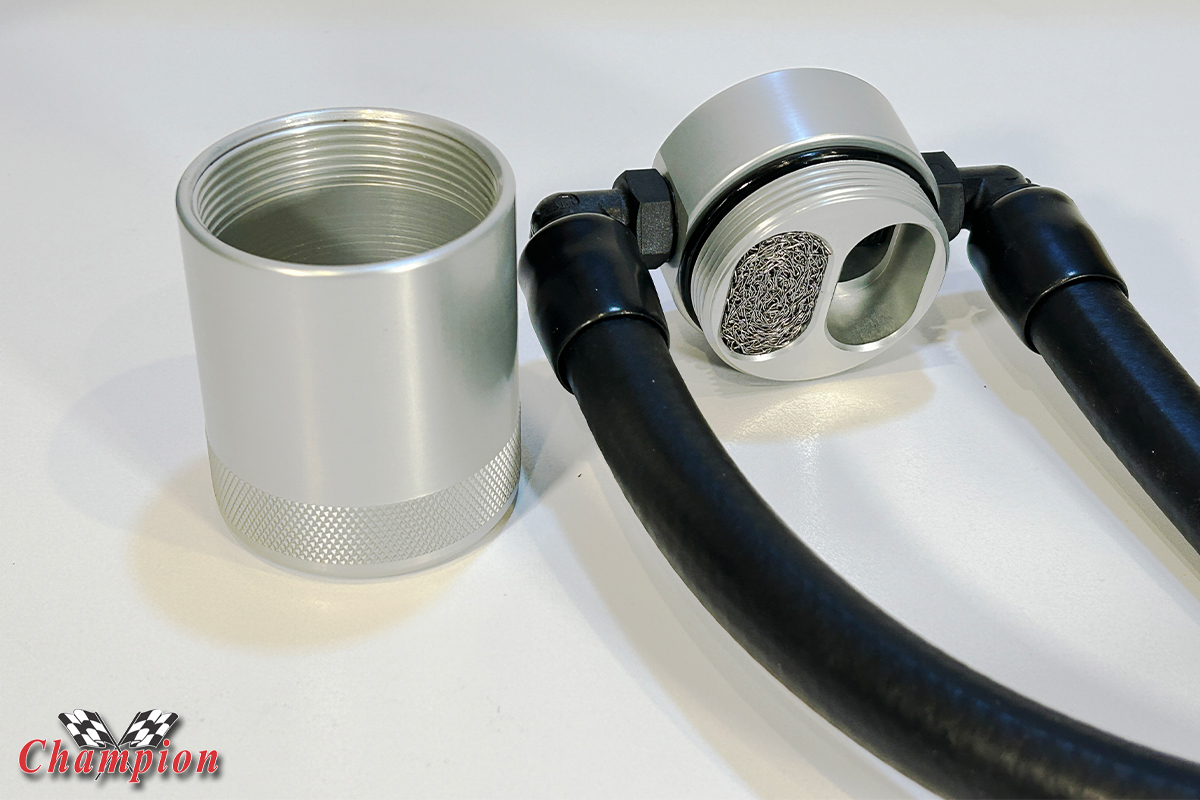
That mesh filter functions to allow air to pass through, but to trap the heavier contaminants that drip into the container below.
Vinnie Conte from J&L OSC explained the differences, ” Yes, a catch can and oil separator are essentially the same thing. Traditionally a ‘catch can’ wouldn’t route back into the intake system and may have a atmospheric filter on the top to vent. An oil separator is more of a inline filter.” It’s they function similarly, but one vents to the atmosphere, the other vents back to the combustion chamber.
He tells us that the main benefit of the oil separator over the OEM routing is keeping the intake tract clean from oil and contaminants. He also tells us that when it comes to boosted engines, like our Hellcat Redeye on Project Windstorm, the separator helps to keep that oily residue out of the two intercoolers inside the supercharger. He continued, “On non-supercharged cars, it’s greatest benefit is to direct injected vehicles where an oil separator will help slow down the carbon build up on the intake valves that forms over time which slowly robs performance and efficiency.”
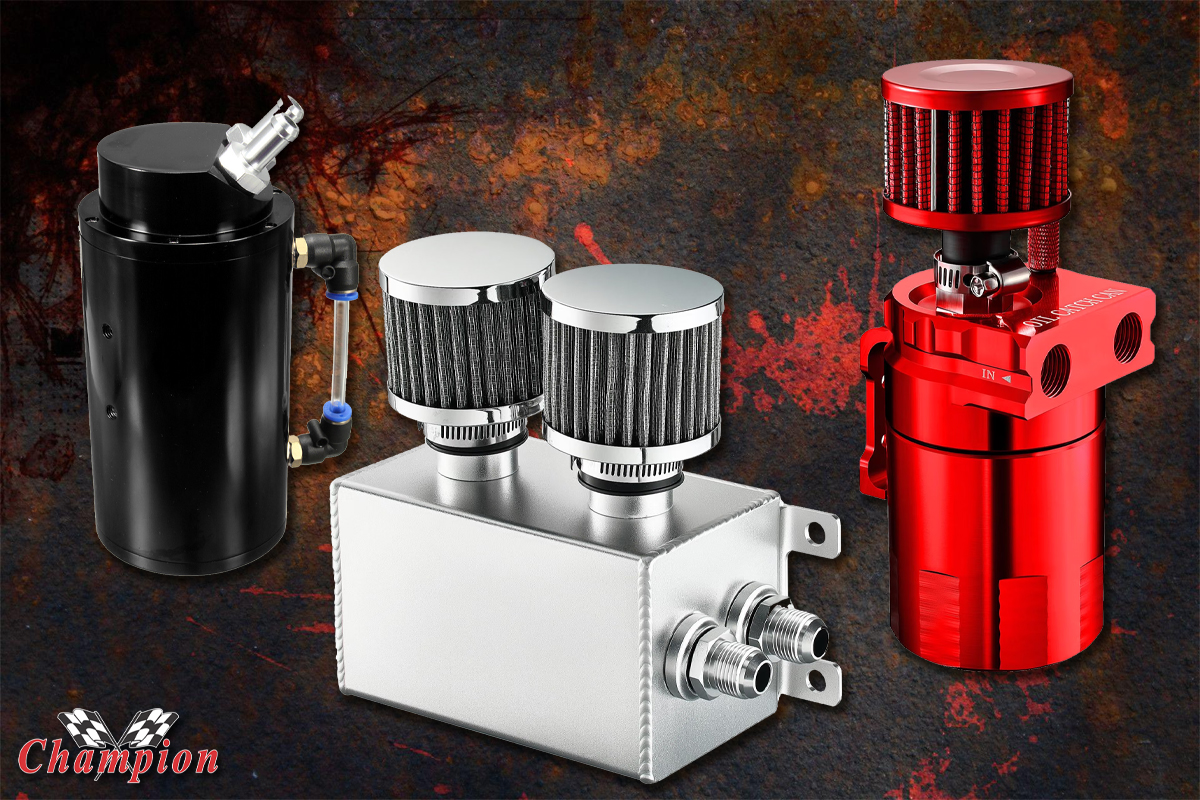
Vinnie tells us, “Collection rates in the oil separators vary from vehicle to vehicle and driver to driver.” He says that since boosted vehicles inherently produce more crankcase pressure than a normally aspirated engine, having an oil separator is not only a wise decision, it also helps to prevent engine knock or pre-detonation that is more likely to occur in boosted applications.
The benefit of an oil separator is not to simply remove much of that oily residue from your intake and your combustion chamber, but it helps promote engine longevity, as well, by keeping the build up off of vital engine components during the combustion process. It seems like a win-win situation to spend just a little extra to add something to your vehicle that the manufacturer didn’t.
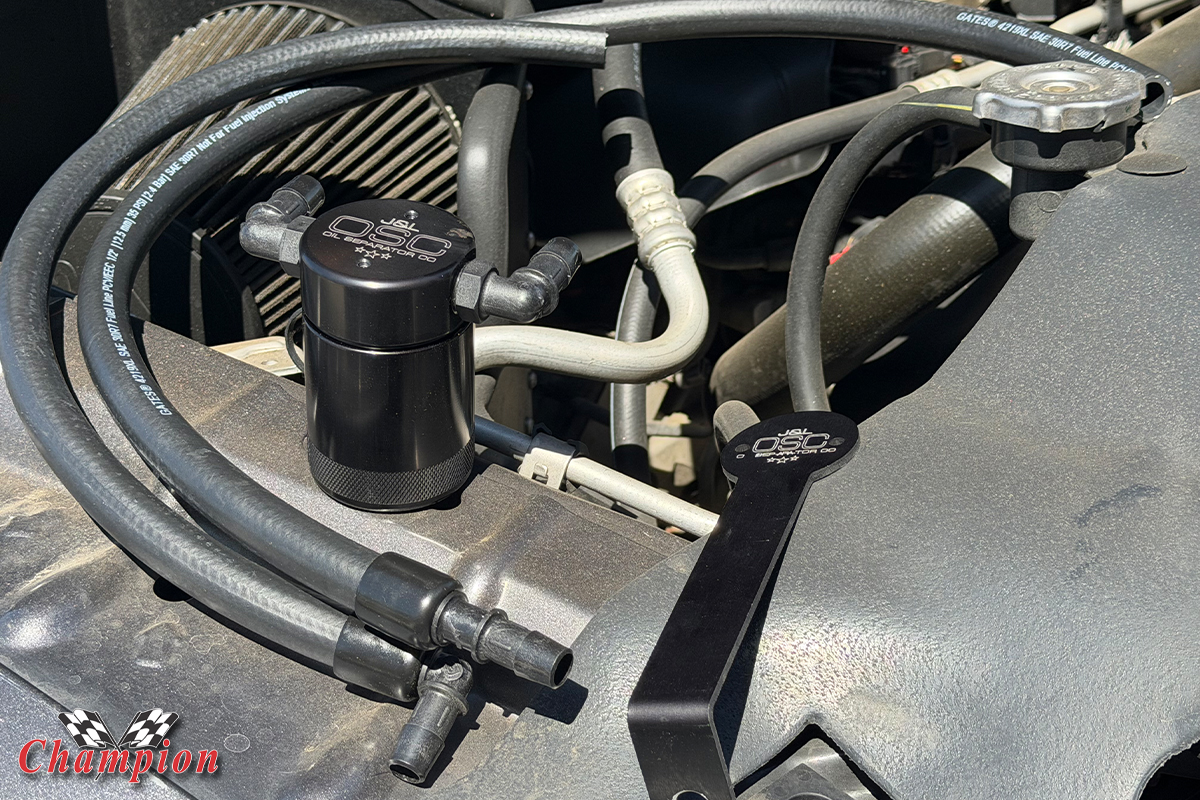
If these oil separators are so great and help promote engine life and a cleaner combustion process, then why don’t the manufacturers add them to all modern vehicles these days? We asked that same question to Vinnie, because we wanted to know ourselves.
He told us, “Manufactures don’t install them due to 50 state legality issues, and also the fact that the units would need to be serviced. It’s a maintenance component which, if neglected, generates other issues that don’t sit well with the EPA.
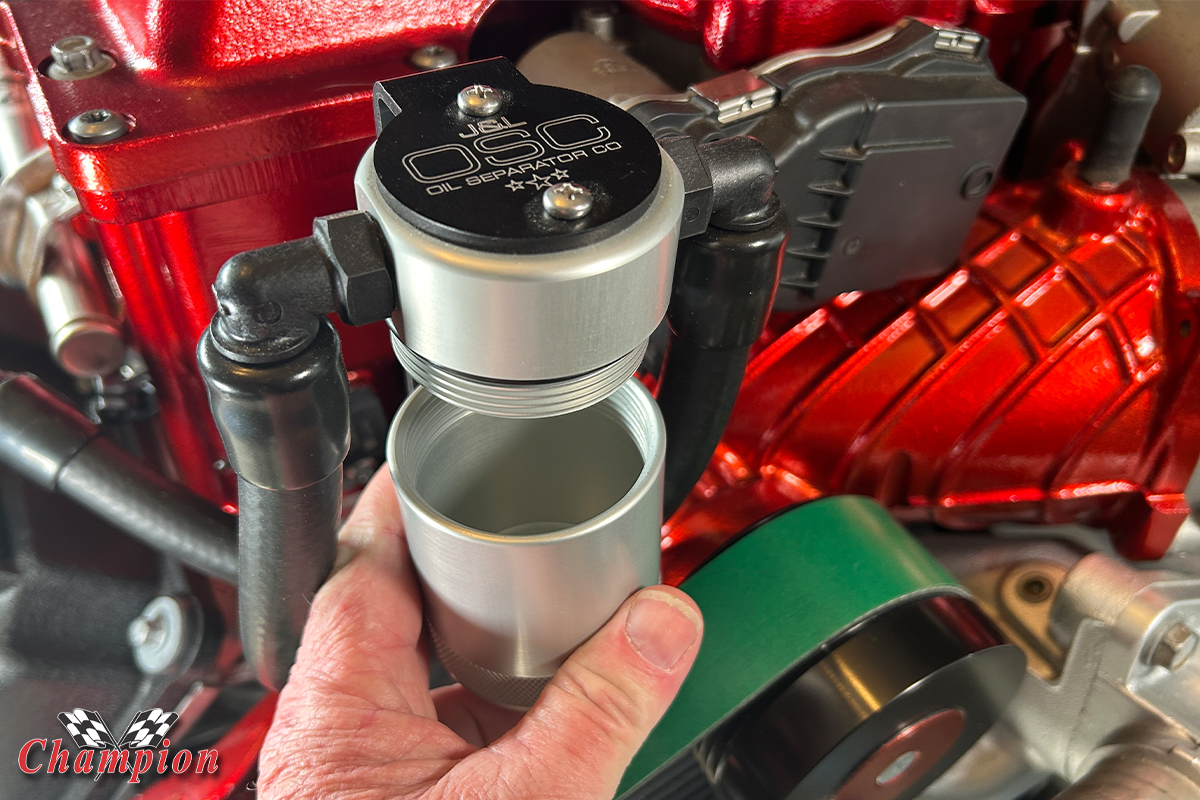
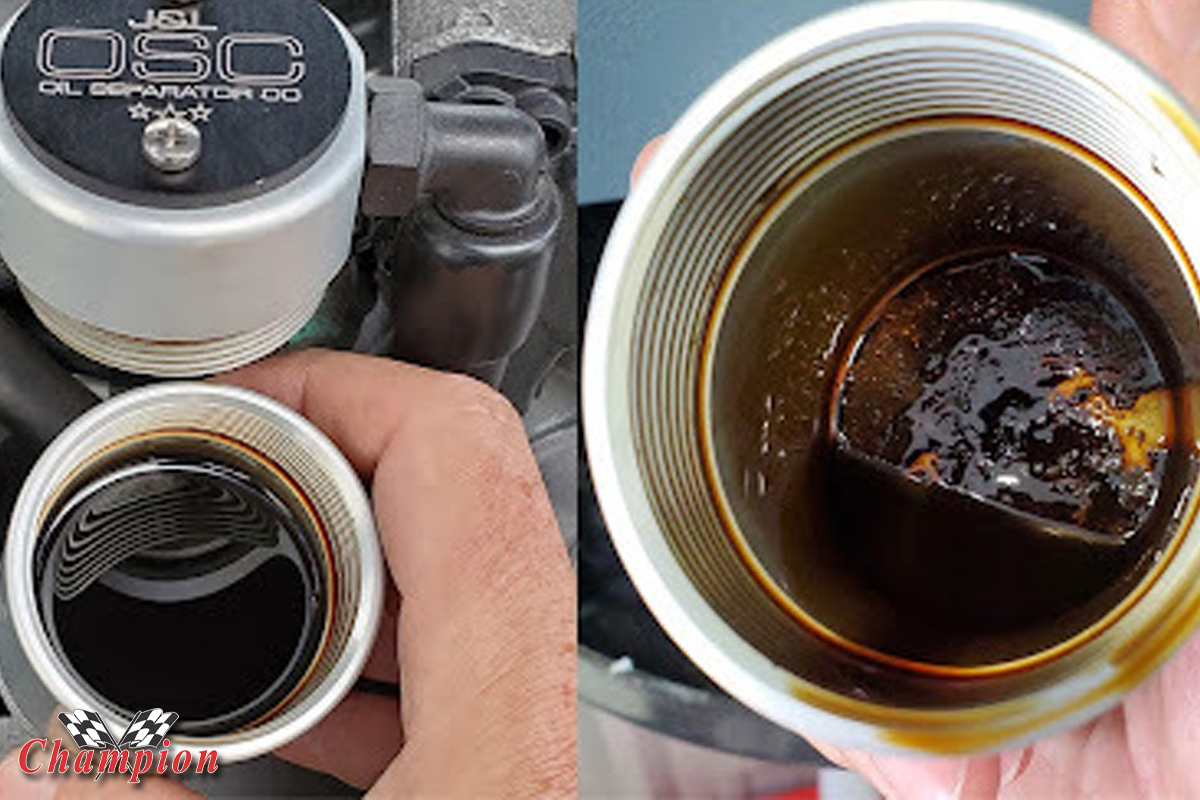
Servicing the unit is simple with J&L OSC: simply unscrew the cup and clean it out. Other manufacturers have a drain valve, and that can get quite messy.
He added, “If the oil separator gets to the point of overfilling from a lack of maintenance it can suck in fluid collected and create more emissions.” They typically cannot be shipped to California, thanks to CARB (California Air Resources Board). He told us, “Any oil separator that has to be physically emptied will never get a CARB EO approval.”
Because of the concerns caused by neglect, the possibility of being 50-state legal is slim to none. The oil separator is actually on the Smog exemption list, which means you shouldn’t fail for having one installed, but you still can’t buy one in California because it technically modifies our emission system.
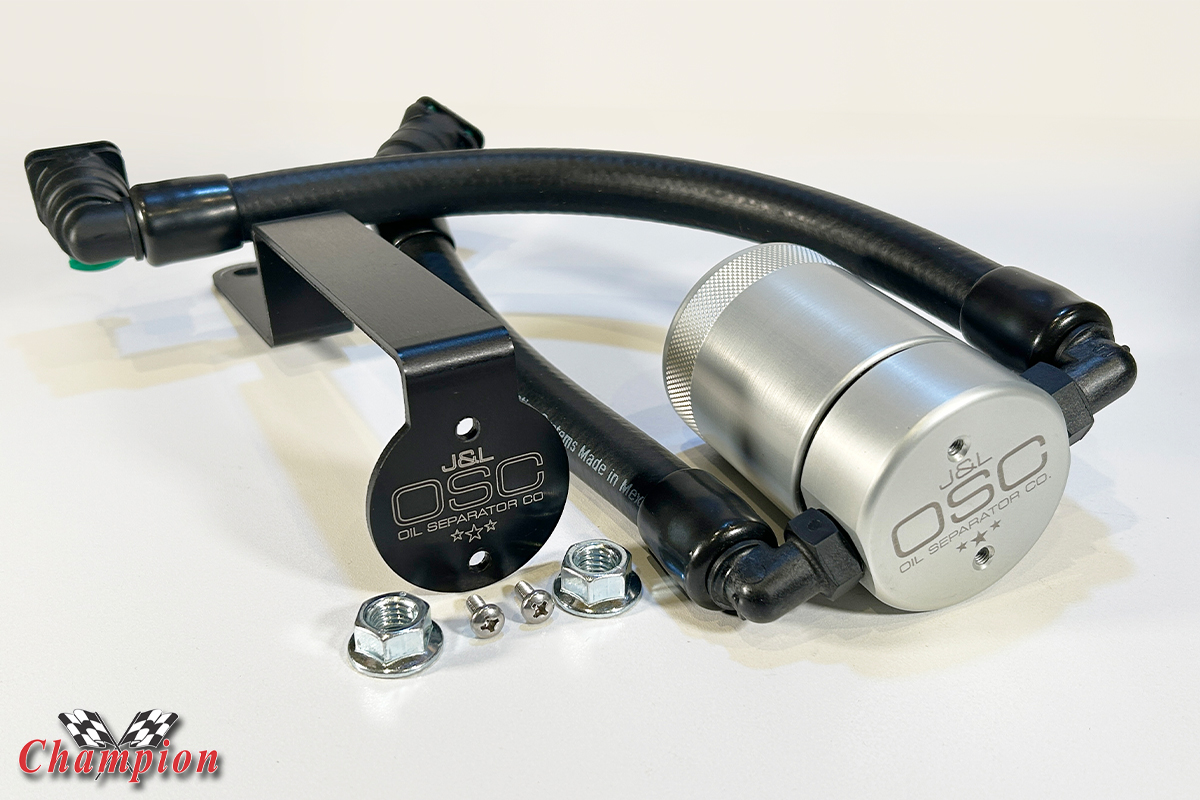
With regards to maintenance, mentioned above, Vinnie recommends to servicing the unit every 2,000-3,000 miles to empty the container. He recommends a good cleaning of the entire unit every 10k-12k miles, spraying it with a degreaser or brake parts cleaner to remove the build up and clean the lines. If you’re one to neglect opening your hood to check fluids or engine components, it might not be the best fit for you. But if you want to keep your engine running cleaner from the benefits of an oil separator, chances are L&L OSC has one just for you.