
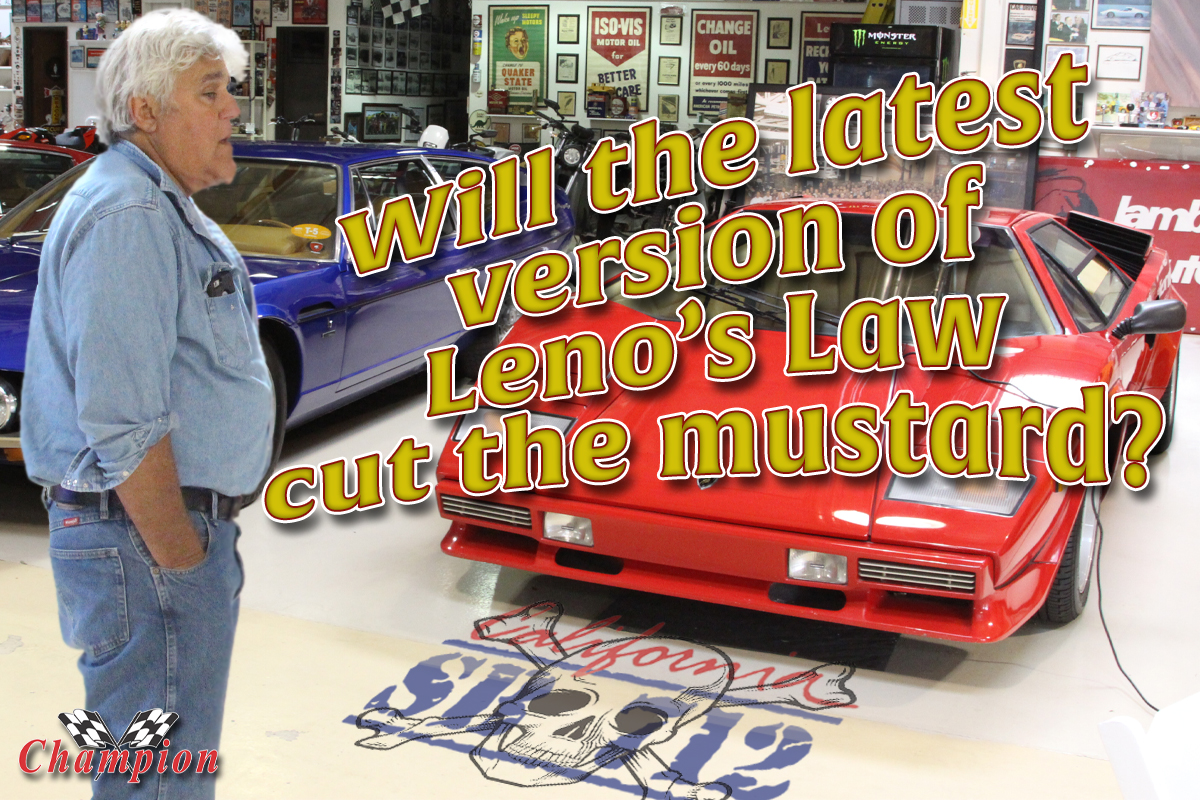
The SMOG Check program in California has been a thorn in the side of many automotive enthusiasts. When the BAR documented the requirements and limits with regards to emissions equipment and testing, it was presumed that it would be a rolling exemption for future vehicles. But the fine print for that program has a freeze date, and left many SoCal hot rodders and musclecar enthusiasts disappointed. The current cutoff is model year 1975, and any vehicle after that requires biennial emissions system testing.
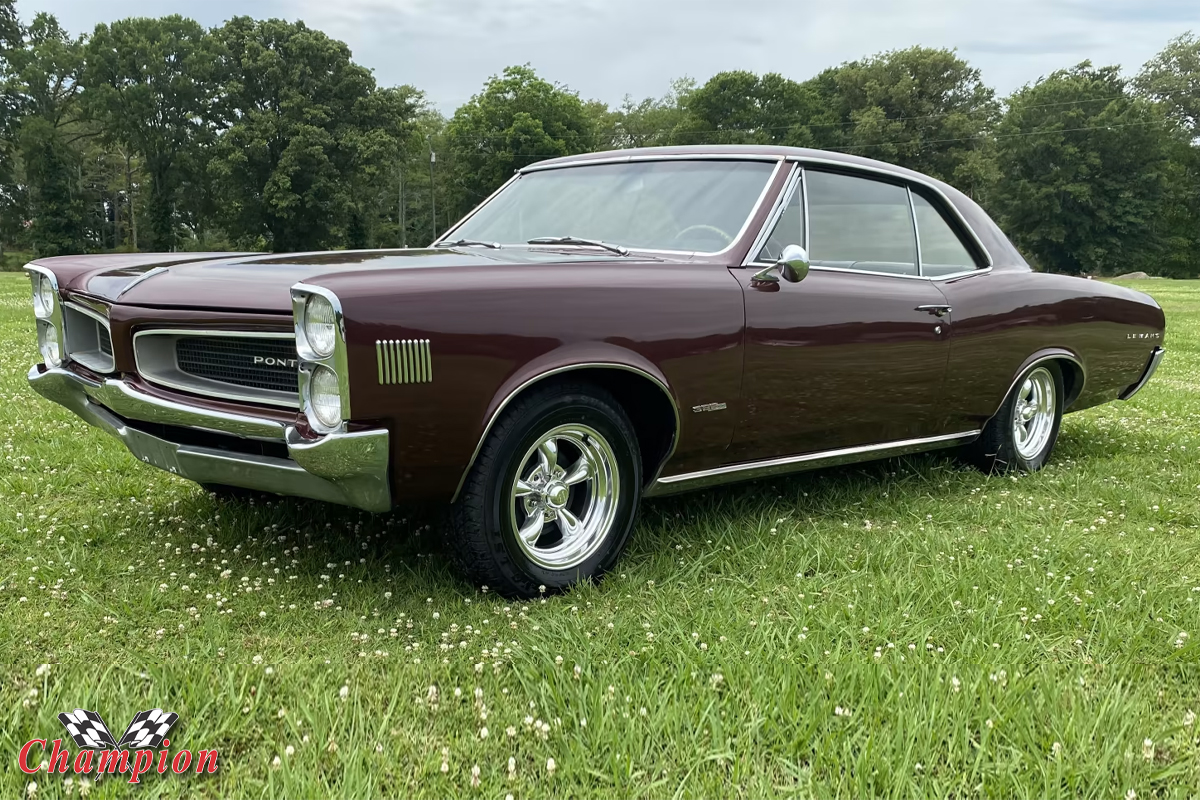
While most of the classic musclecars fall under the radar of this program, there are still some highly sought after vehicles that require testing, despite the lack of parts available to repair or replace defective emissions-related components. This creates a real problem for some, and one way around it was to prove to the BAR and it’s referee station that you’ve exhausted all resources to get the part you need.
This is where last year’s Leno’s Law, SB 712 came into play. While it gained some traction, as we mentioned in an earlier blog entry, it was far too restrictive to apply to most of us. It was more tailored to the collector who maintains current registration on a larger collection of vehicles that rarely get driven. This is why SB 1392 is far more significant, and could apply to far more enthusiasts than just those with a large collection of rarely used vehicles.
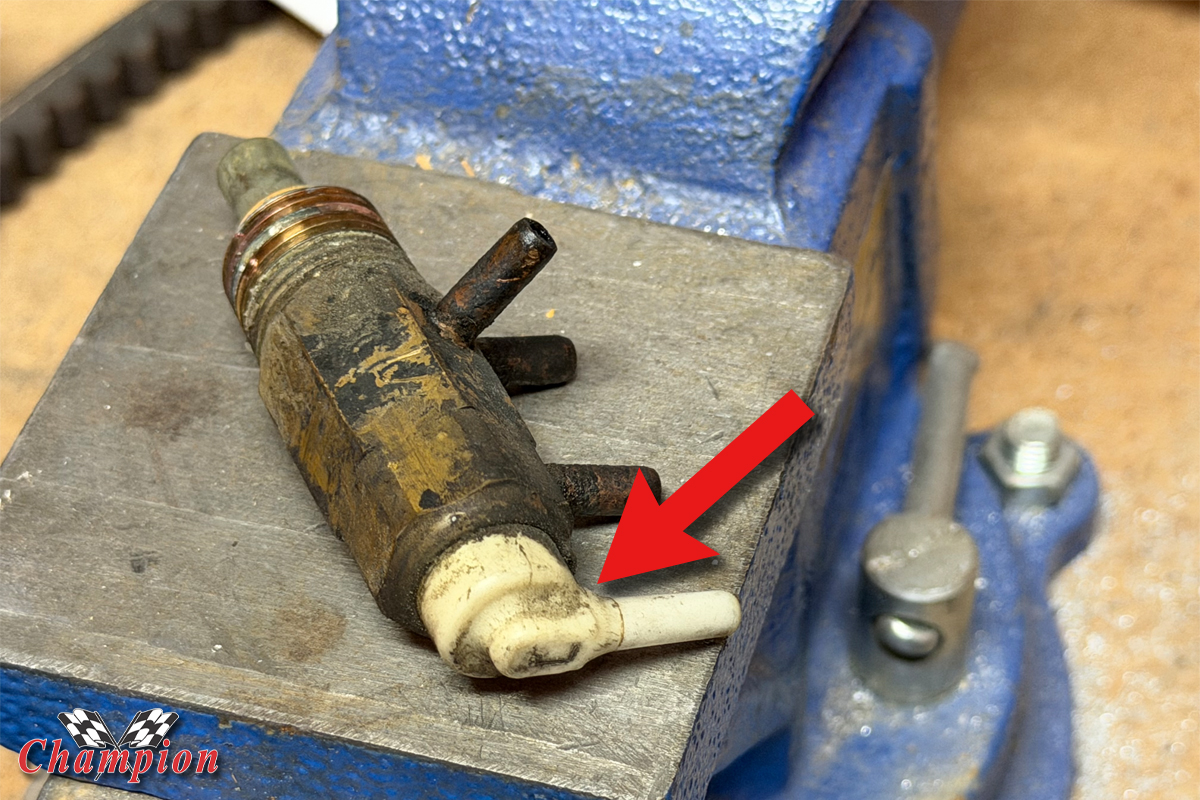
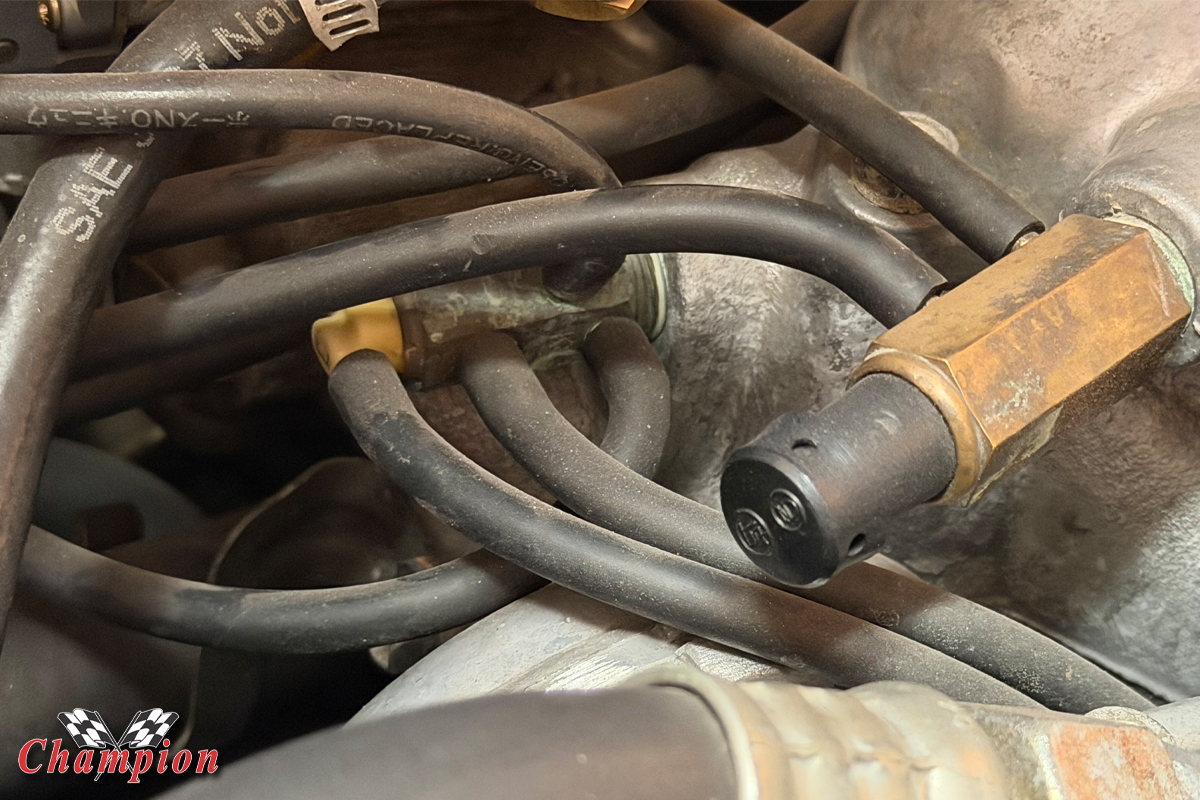
A common occurrence with these TVSVs is that the plastic gets old and brittle. When it breaks, a failed SMOG test is inevitable, and the search begins for a replacement. All of those vacuum hoses are part of an elaborate system.
One of the major issues that the rest of us run into is not entirely about hot rodding our late 1970s Chevy or Ford. it’s about the availability and affordability of emissions-related components that are not only becoming more difficult to find, but they’re pulling in a painful premium from the salvage yard that happens to have one, and an equally aggressive shipping fee.
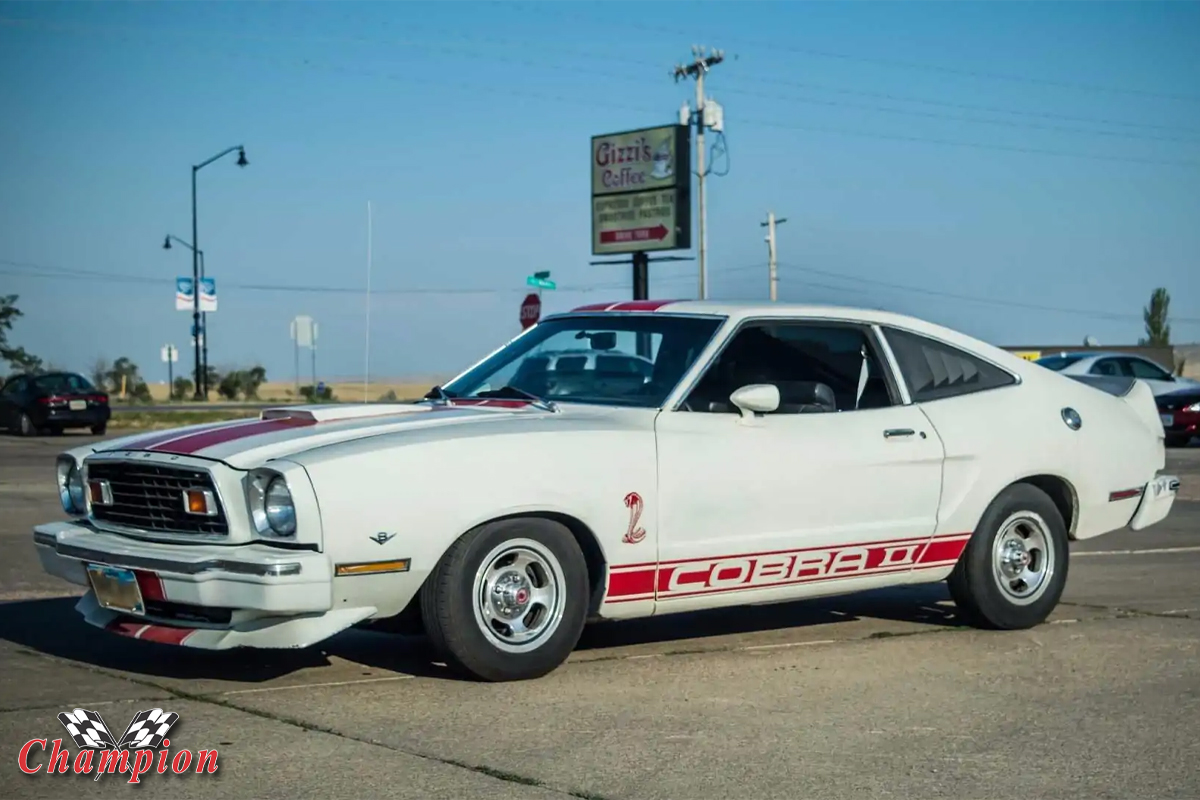
When a 4-port TVSV for a 1979 Toyota Corona broke, there was one in Arizona for about $85. In its heyday, that TVSV may have fetched as little as 15-20 bucks, and was a prime candidate for those five-finger discounts. We’re not endorsing theft here, but it was widely known that smaller parts that would otherwise be trashed and thrown out quite often made their way into pockets, hence many yards instilling entry fees to cover such liberties being taken.
SB 1392 Moves A Little Closer
Where last year’s SB 712 had died a silent but painful death, SB 1392 has moved beyond the California Senate and has now cleared the Assembly Transportation Committee and Appropriations Committee, where we left off on our previous blog entry. This is very good news because it’s moving us closer to the goal line. This has a vast majority of us on the edge of our seats to see what’s next.
Not to burst any bubbles, but it still isn’t on Governor Gavin Newsom’s desk, and many of us have a feeling he’s not going to be as quick to approve. Newsom has been an advocate for ridding California of older vehicles, generating quite a bit of consternation among truckers and classic car enthusiasts alike. His reach to rid the state of any new gasoline-powered vehicle purchase by 2035 in his zero-emissions efforts.
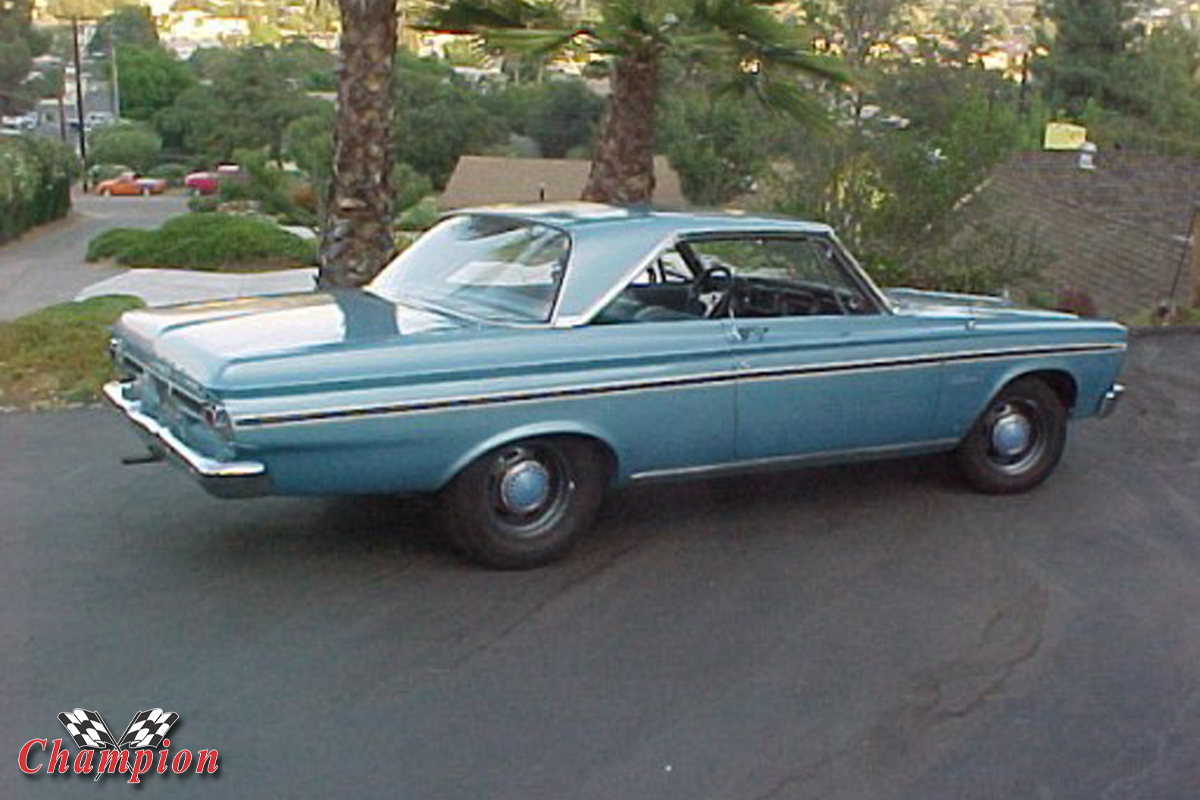
On top of the governor’s desire to go EV-only in the next decade, his latest push, the RTEP (which we’ll go further into next week) is slated to force Californians to purchase low-resistance tires for vehicles by 2029. This is a sore spot among enthusiasts who are fond of the classic musclecar look with fat tires, or even +2 wheel and tire combos, even those who prefer the car to look stock. It’s already a shame that our BF Goodrich Radial TA game has changed drastically, and now this?
We’re pretty sure that once SB 1392 passes, that is, if it passes, there will be a collective sigh across the state, from North to South. Undoubtedly, there will be more people hitting up that Summit catalog and ordering go fast parts, and that’s likely the cause of trepidation on the part of the lawmakers who shot SB 12 down last year, and its predecessors in previous years.
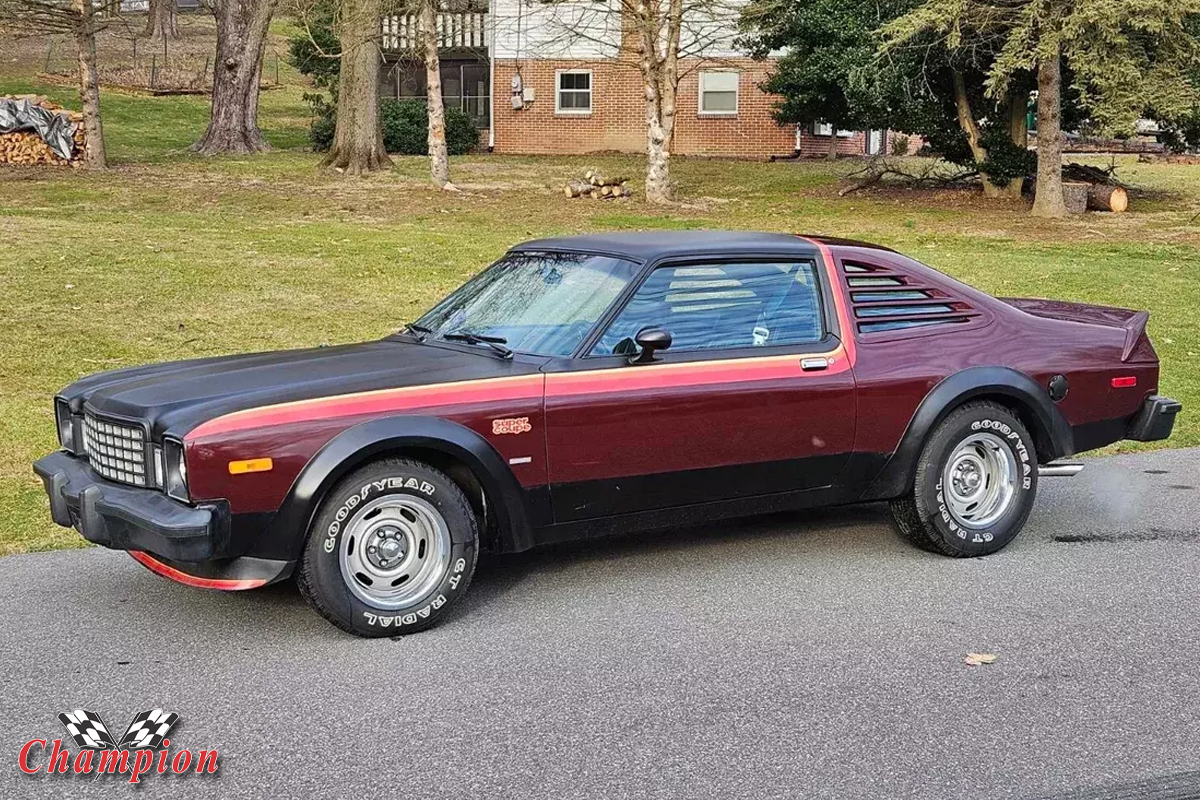
The meat and potatoes of SB 1392 does offer a rolling exemption through the year 2032, which includes vehicles manufactured prior to the 1986 model year. At that point in our classic motoring future, we’ll have to see what the lawmakers have in store for us. But the bottom line is that even SMOG testing has become a bit of a pain for those who perform the tests.
What the state wants is for SMOG testing to be streamlined down to the manner in which they can scan OBD-II and OBD-III vehicles. After investing thousands in dynamometers for those low and high speed rolling tests, now some stations are getting to the point where they feel the dynamometer is just using up valuable shop space, and has become a parking spot for the next vehicle to be worked on.
It just seems that the current administration has no concept of how the classic car culture started in this state, and has been a tradition for many decades. But the strict rules and desire to rid the state of our classic cars has had an impact on the state’s economy and a negative way. Companies are moving out of California because they can’t operate under such stringent rules. Even Goodguys has left it’s Pleasanton, California, offices for the state of Texas, where they’re not held to such ridiculous standards.
While it’s true that Leno’s Law is custom-tailored to the collector more so than the hobbyists with one or two classic cars, it’s significance can make a huge difference for both enthusiasts and those who simply drive older vehicles because they can’t afford new car payments these days – especially in California. Let’s keep our fingers crossed and hope that this time it passes and saves many of us from the hundreds of dollars we spend trying to get our vehicles to pass.
The current plan of SB 1392 is to bump the test exemption to vehicles manufactured before the 1981 model year as of January 1, 2027. After that, it will roll up one model year each calendar year until January 1, 2032, where it will include vehicles manufactured prior to the 1986 model year. Keep your fingers crossed.
- (9) A collector motor vehicle manufactured before the 1981 model year.
- (10) On and after January 1, 2028, a collector motor vehicle manufactured before the 1982 model year.
- (11) On and after January 1, 2029, a collector motor vehicle manufactured before the 1983 model year.
- (12) On and after January 1, 2030, a collector motor vehicle manufactured before the 1984 model year.
- (13) On and after January 1, 2031, a collector motor vehicle manufactured before the 1985 model year.
- (14) On and after January 1, 2032, a collector motor vehicle manufactured before the 1986 model year.