One of the greatest things about the automotive community is learning from others. Sometimes you go into a project armed with what you thought was an easy task, only to find out that someone else already made those assumptions. Fortunately, they can advise you ahead of time and stop you before you run into problems. Installing a modern engine into a classic car is where knowledge and experience pays its biggest dividends.
When Mopar decided to offer the Crate Hemis and Crate PCM & Harness Kits, there are a lot of assumptions that go along with those Crate Kits. One of those assumptions was that bypassing the crate engine and pulling one from a wrecked vehicle is going to put you one step ahead of the game. In some ways, that might be true, but we learned the hard way that in other ways, you still have to spend some more money.
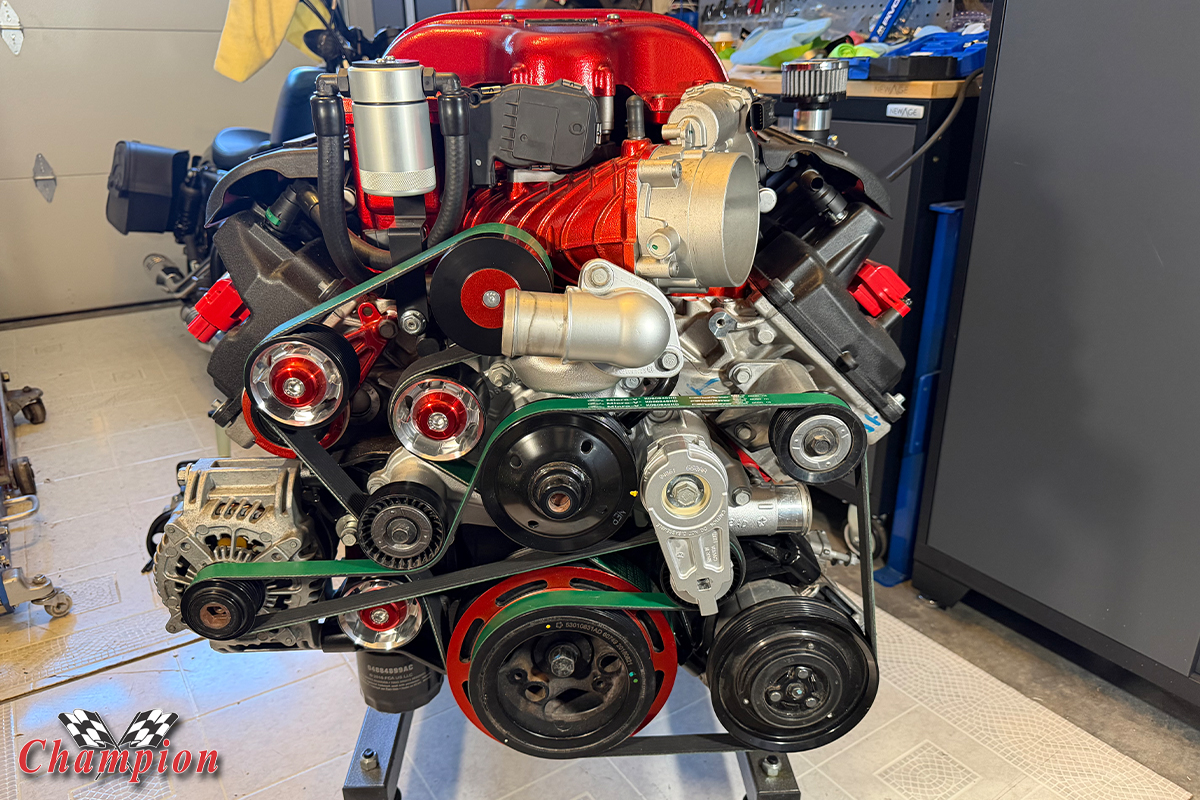
We basically grabbed everything under the hood, and that included coolers, pumps, harnesses, reservoirs, and hoses, along with the radiator and intercooler. But that’s still not enough, partly because there are other parts we needed, and that’s partly because of how Mopar handled the crate kits.
As you can imagine, it would be near impossible to have a Hellcrate kit for every year that the Hellcat has been in existence. You have the Hellcat with power steering from 2015 – 2018, the Hellcat with electric steering from 2019 – current, and then you have the Redeye and the Demon to contend with. Lots of parts changed over the years, and that meant a basic Hellcrate Kit, a Redeye Hellcrate Kit, and let’s not forget the Hellephant Kit.
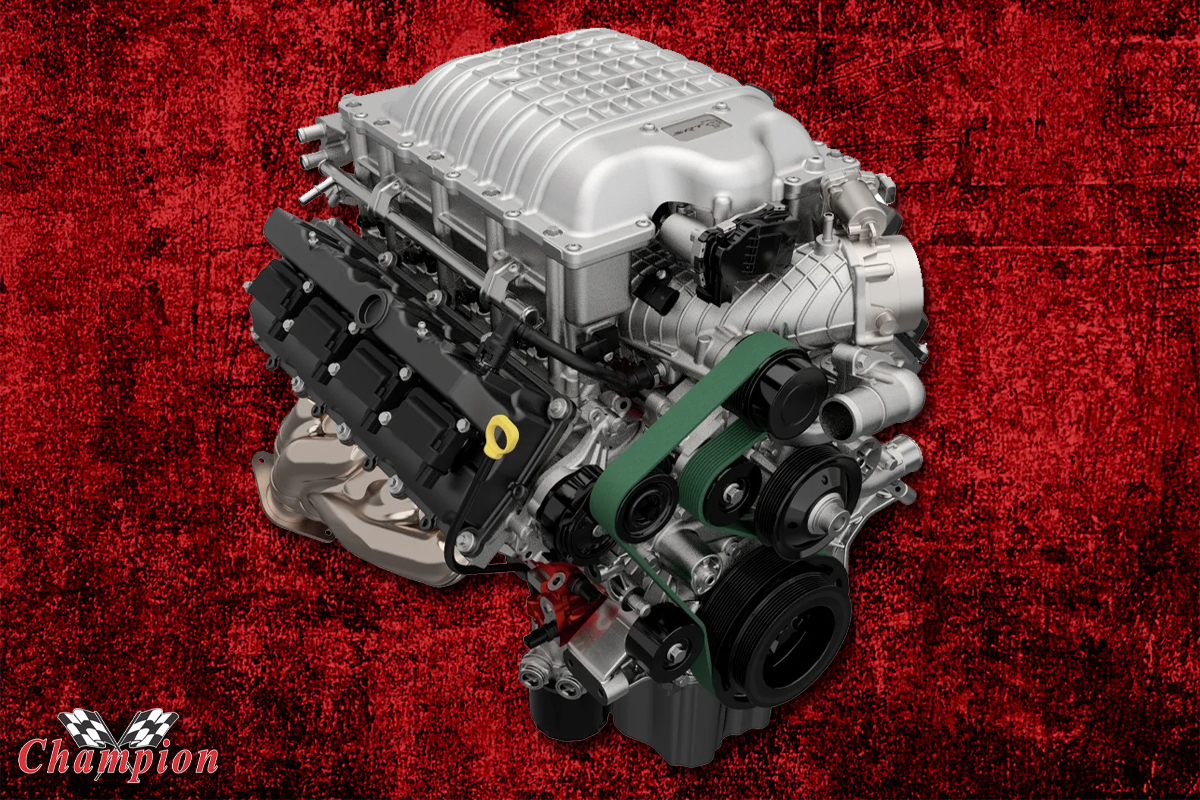
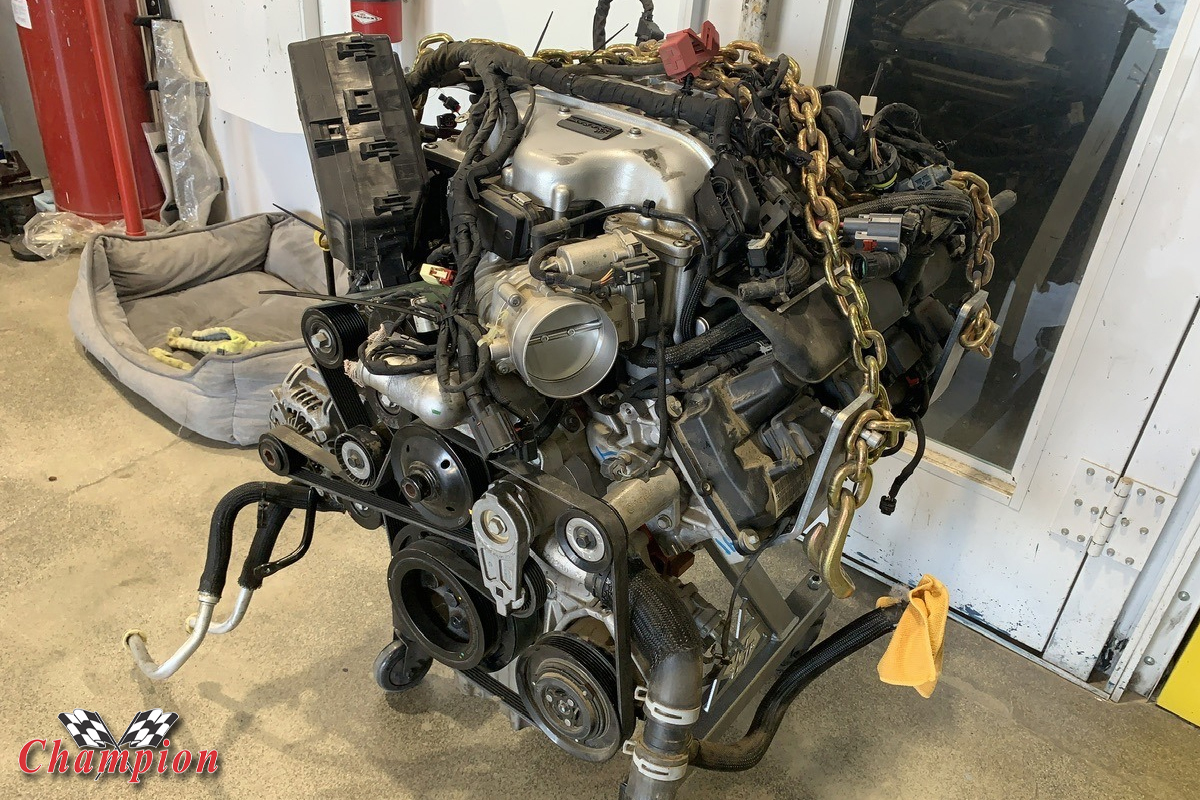
There’s a stark contrast between the Hellcrate Redeye Kit and the Hellcat Redeye we purchased. Some parts we kept, some parts we tossed.
The Hellcrate kits are the meat and potatoes: the long block without all of the accessories, hoses, pulleys, or coolers. It’s understandable because what came on the factory cars aren’t always going to fit into a classic car, so you buy what you need, and fabricate what you have to. Nobody ever said that building a custom car with a modern engine was easy.
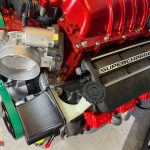
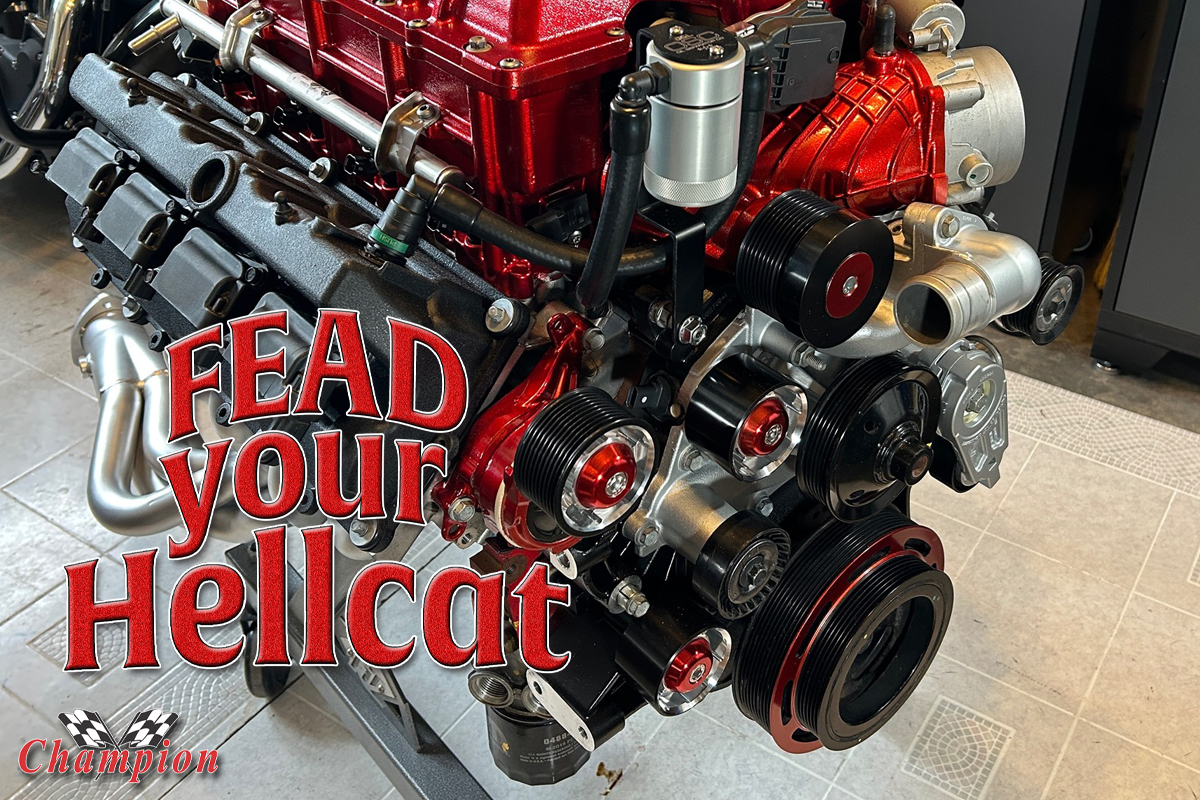
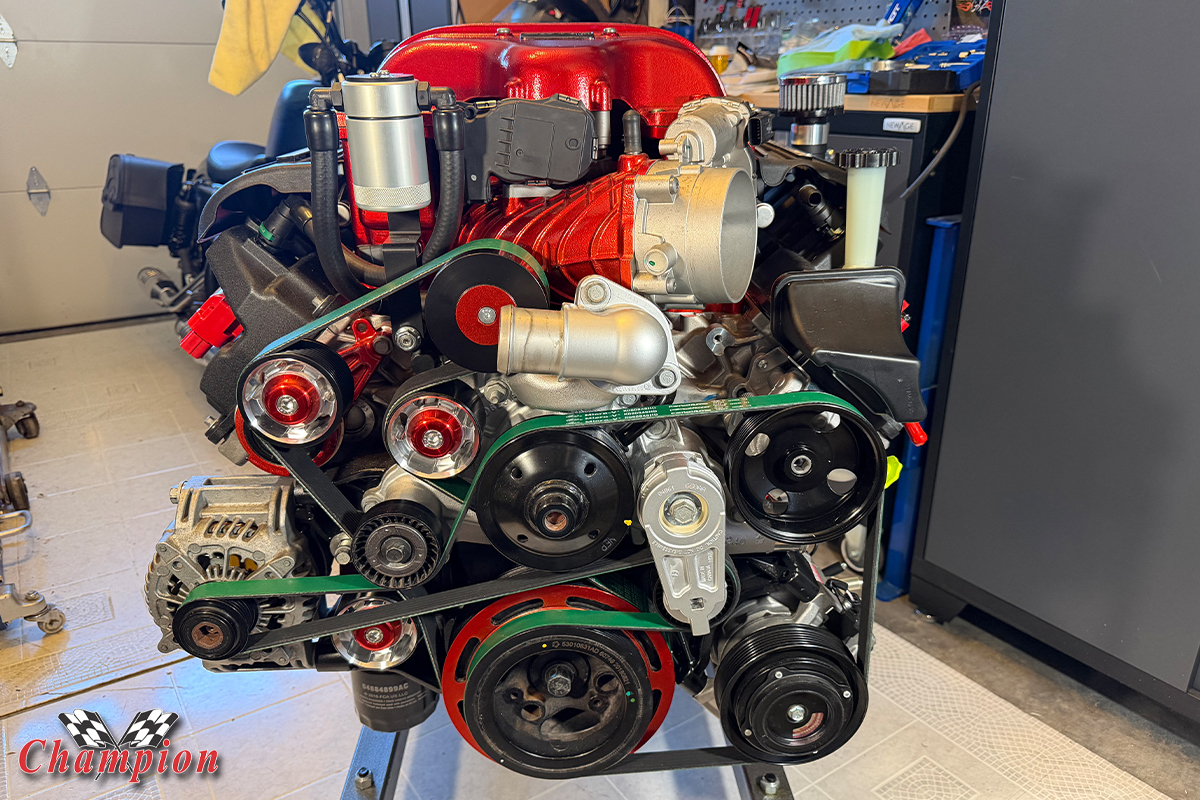
On the upside, Mopar offers what they call a Front End Accessory Drive Kit, or FEAD for short. The FEAD kit includes the alternator, a power steering pump w/reservoir, a tensioner and pulley, and associated hardware. They also offer an A/C compressor kit, along with the proper wiring and connectors. Both kits also includes a drive belt, so ordering both to complete your engine will leave you with a spare belt.
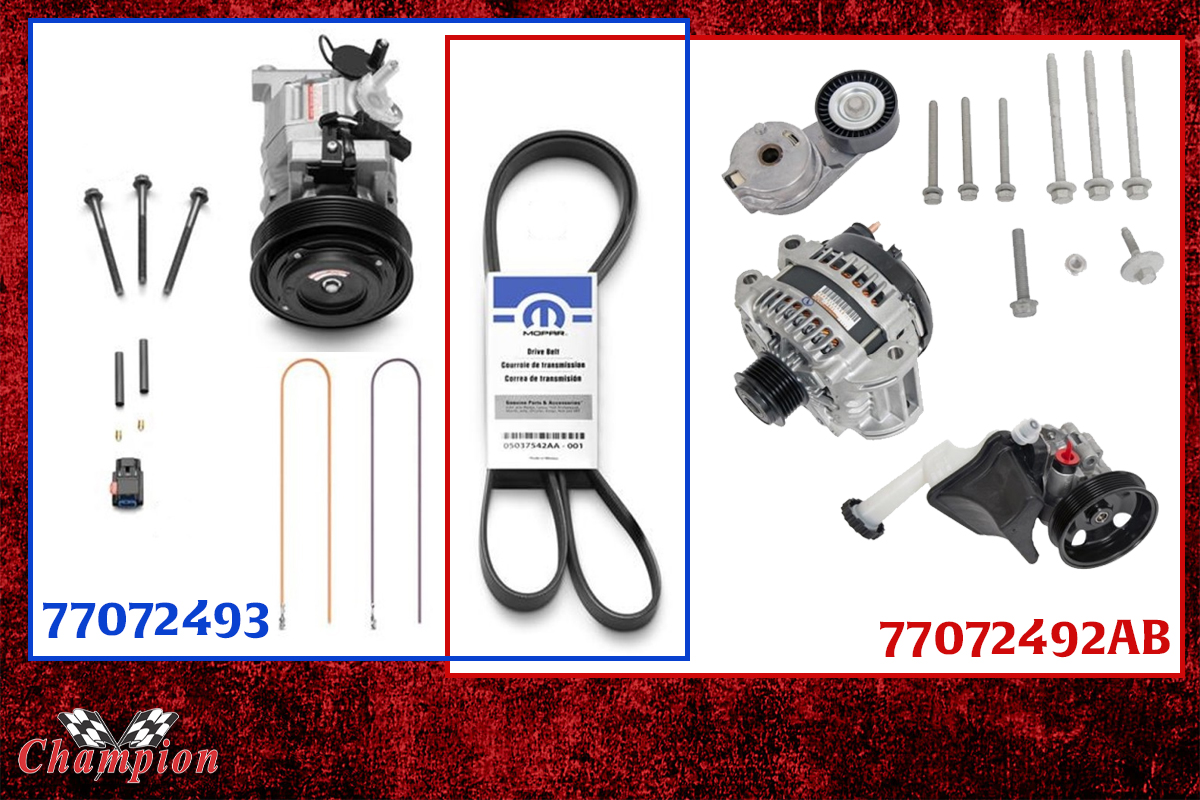
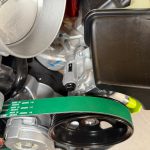
With the engine we pulled from the wrecked car, we already had an alternator, and that checks out to be the same part number for the crate kit. We also have the tensioner, and with those two parts we’re looking at about $300 we really don’t need to spend. We went on the prowl for a steering pump, but there’s another dilemma that we were running into.
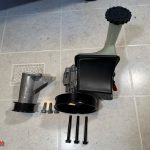
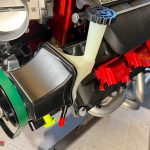
The power steering pump that comes with the FEAD kit is for much higher pressure than what we need for our Flaming River power rack and pinion. That’s when we found Sublime Technologies, and were able to purchase a reduced-pressure pump that puts out about 850psi instead of over 1,000 like the pump in the FEAD kit. That pump will accommodate our existing power steering plumbing, coming in at about $275.
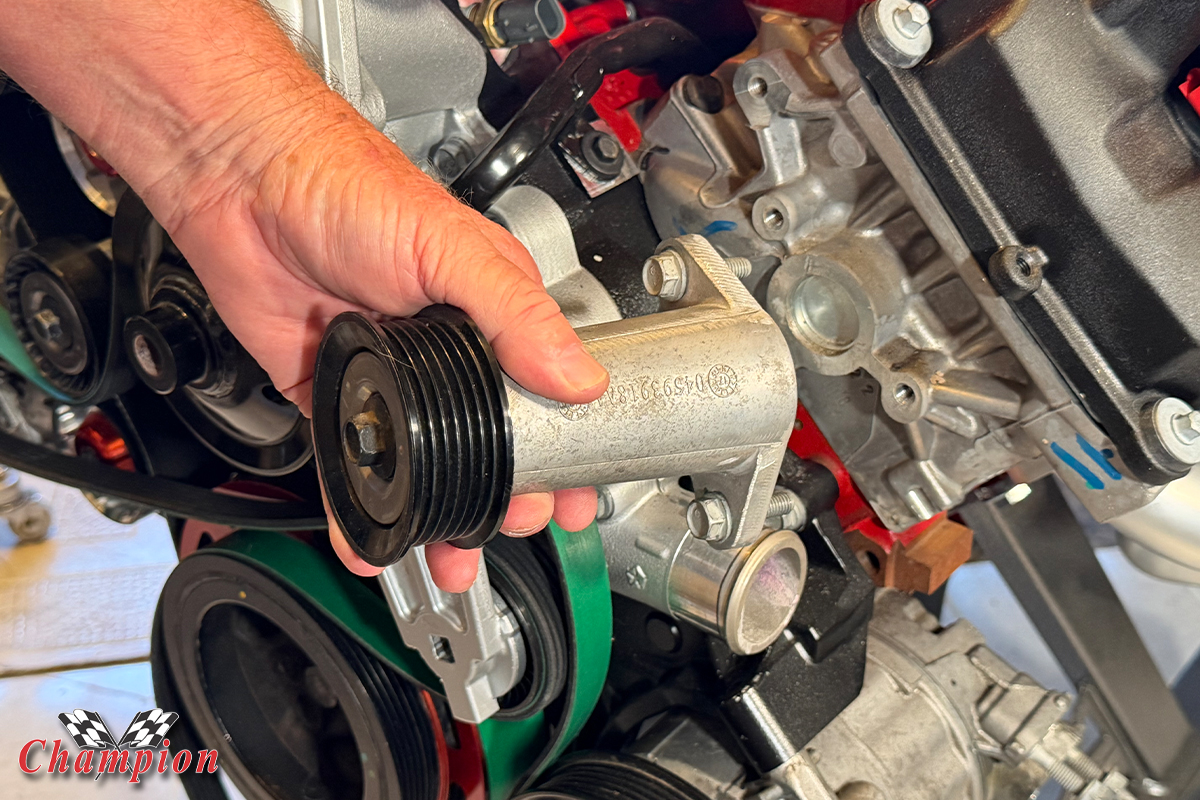
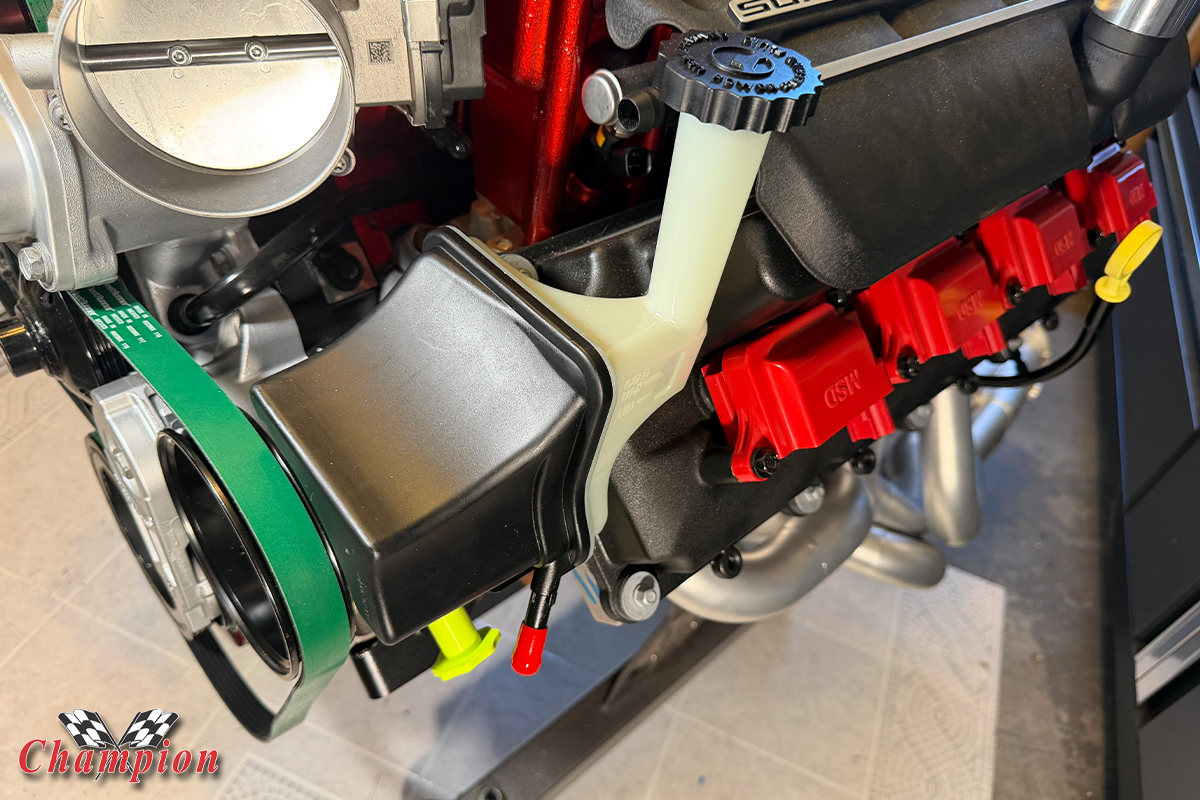
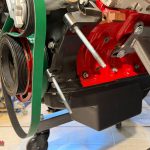
We removed the idler and replaced it with the Sublime Technologies pump and reservoir. On pre 2019 cars, the OE power steering pump resides in this spot.
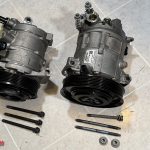
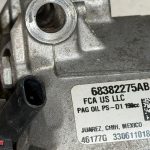
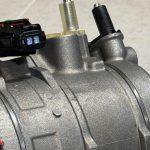
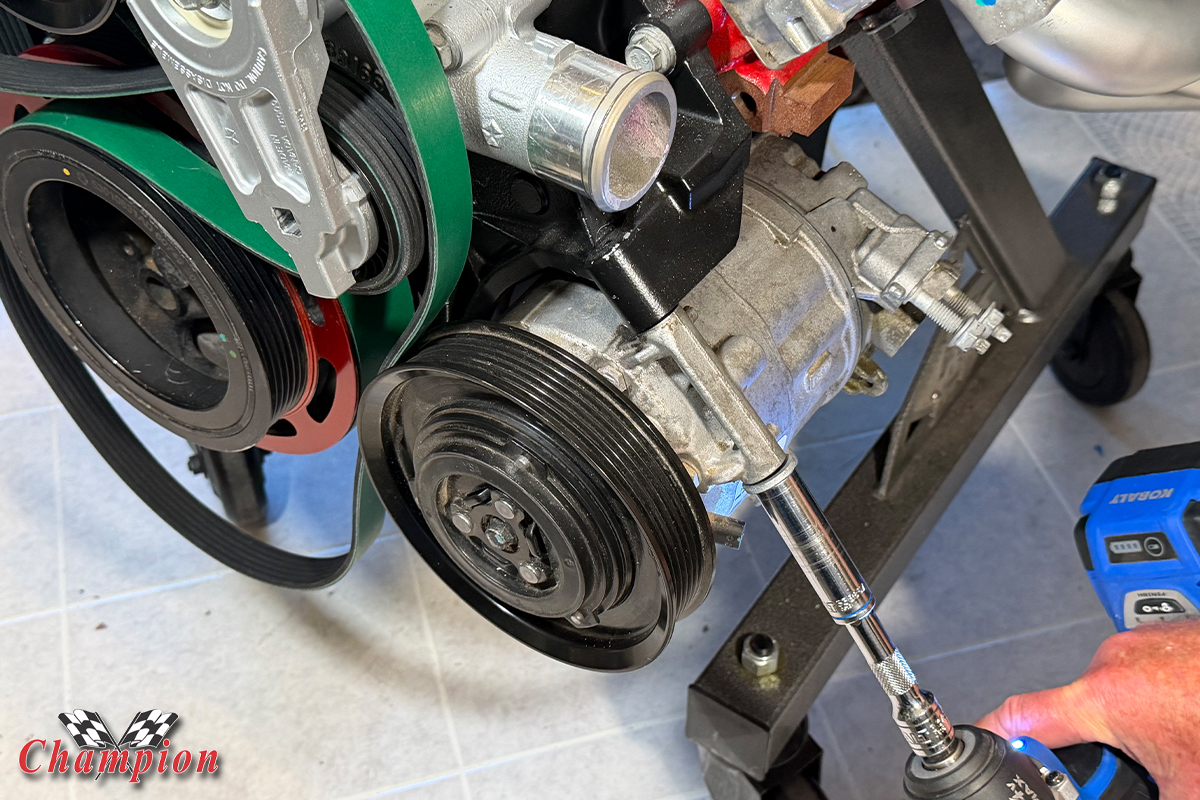
The A/C Compressor on the factory Hellcats is a variable-ratio design, and the Crate Harness kit is designed for a standard, fixed-ratio compressor. That is one purchase we couldn’t get out of creatively, fortunately the A/C expansion kit from Mopar only set us back about $350. We will have to wire in the new plug, but the proper connectors and wiring is included with the kit, as well as the new hardware.
We plan to update our car with a Vintage Air system, and we may have to fabricate some A/C hoses for the car once we get that system installed, but that shouldn’t be a problem since this is the standard compressor that was used on earlier Gen 3 Hemi engines. The compressor mounts tight to the engine block, and from what others have shared with us, there shouldn’t be a clearance issue with the subframe.
The nice thing about these two kits is that they complete the puzzle for those who are going with a Hellcrate Engine Kit, instead of pulling one from a donor vehicle. But either way, you’re covered and the parts are available to complete your front drive system. For under a thousand bucks, you’re back in business, and if you pulled a donor, the costs are ever less to complete that puzzle.
All of this just puts us one step closer in the project, but we still have a long way to go. We have a couple more steps to take, but the Hellvedere II will be heading out to a friend’s garage for some much needed work in the engine compartment before we drop the Hellcat Redeye down between the frame rails.
Project Windstorm: Follow the Cat
Control Freak Suspension – The suspension that makes it possible
Getting Catty – Purchasing a Hellcat engine from a wrecked car
Cleaning the Cat – Removing what we don’t need, and cleaning it up
Test Fit Parts – The search for a proper starter
Dakota Digital Part 1 – Installing custom-made gauges
Dakota Digital Part 2 – Mounting the TFT displays
Removing Blower Pulley – Using the right tool, the right way
Metco Motorsports – A pulley set that looks killer
Earl’s Intercooler Manifold – When real estate is at a premium
MSD Coils – Getting the best spark we can get
Holley Oil Pan – Getting the right oil pan
FEAD the Hellcrate – This article
Prepping for the Hellcat – Pulling the LA 408 and cleaning up
Creature Comforts – Mocking up for A/C
Connecting the Dots – The Engine Side Crate Harness