
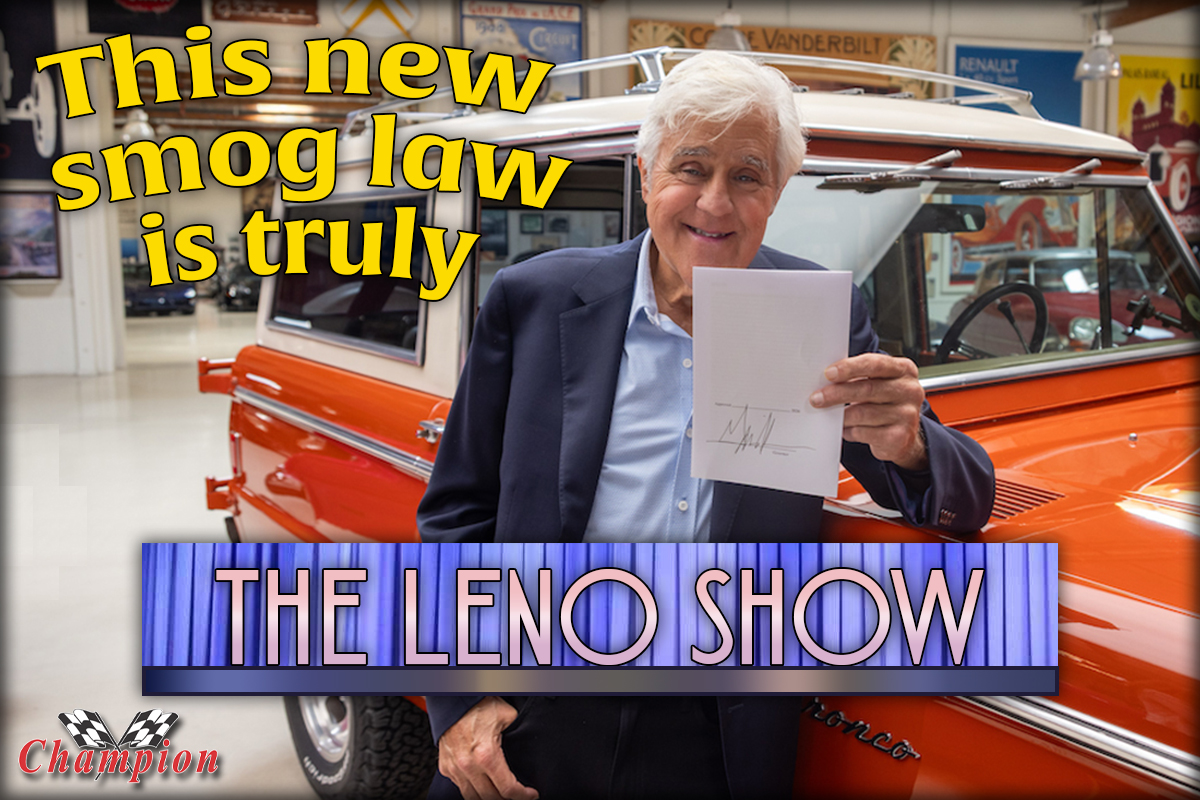
If you’re like the rest of us, seeing the former Tonight Show host and automotive collector extraordinaire, Jay Leno, getting involved in our antiquated smog check laws here in California was exciting news. When we read the first pass of Leno’s Law, Senate Bill 712, it was pretty clear that few of us would benefit from its passing.
The first pass, introduced in 2024, required Historic Plates on your vehicle, which meant that your vehicle must hold historic value, be a collector car, and it had to be unmodified. That meant keeping it as true to its original form as possible. Engine swaps, custom wheels, and modified exhaust or fuel delivery to something more modern and reliable was almost immediate grounds for rejection. Converting to EFI falls under the category of customizing.
For whatever reasons (and we can imagine a few of our own) SB 712 was rejected. But all hope wasn’t lost, there was a second pass scripted this year, Senate Bill 1392, and it moved the ball a little closer to the goal line. It went beyond the California Senate and cleared the Assembly, and ended up on the Governor’s desk to sign.
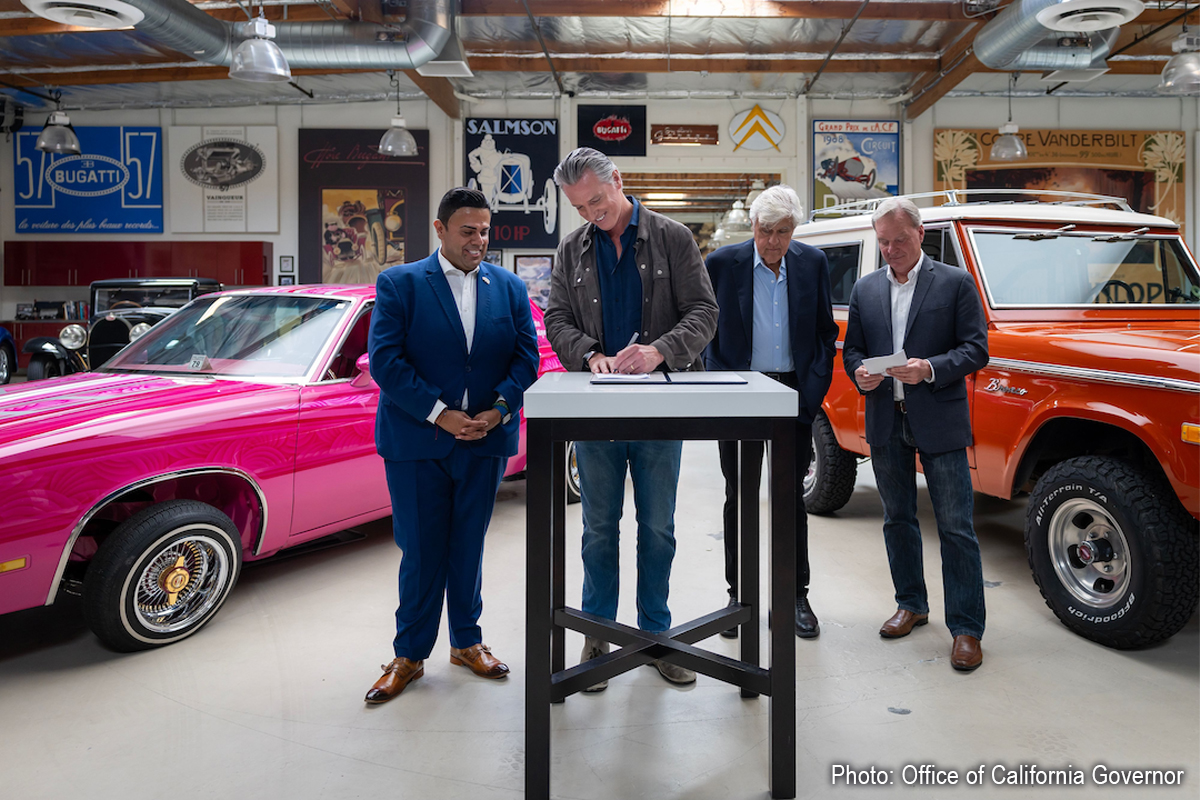
When the news and accompanying photos were released, showing Newsom at Jay Leno’s Garage with a few key people, a wave of happiness overcame the collective classic car crowd – particularly those with vehicles from 1976 through 1981. Finally, the rolling exemption that somehow got a flat somewhere along the way was repaired. For the next few year we’re going to see the exemption from emissions testing roll up one year at a time until the year 2032, when motor vehicles manufactured before the 1986 model year will no longer require biennial testing.
Not So Fast
Although the Historic Plates requirement was off the table for this latest version, which indeed has been signed into law, it may not mean what many in Southern California, particularly, were hoping for. You see, the vehicle in question – 1976 through 1981 – must still be considered a “collector car.” But what is a collector car and who determines that? Well, for starters, it can’t be your daily driver; it also can’t be insured through regular insurance channels, like Farmers, State Farm, or the place that hires that annoying lizard.
One area that has not been made abundantly clear, however, is the part that states: “or a vehicle driven fewer than 1,000 miles per calendar year, as specified.” What’s unclear about this is that the current version of SB 1392 states, and I quote, “A vehicle that is at least 35 model years old, is either insured as a collector motor vehicle with proof of insurance submitted to the Department of Motor Vehicles (DMV) or a vehicle driven fewer than 1,000 miles per calendar year, as specified.”
Which part of that is not entirely clear? For starters, 35 years old means 1991, not 1981. Then there’s the part that says “either” and “or.” For example, a vehicle that is insured by Hagerty, and now Grundy from what we’ve heard, are not limited to only being driven 1,000 miles per year. While some classic car insurance providers specify where and when you can drive your car, not all of them do. Is this a loophole for some to drive their classic car through, but not for others? Possibly.
If your classic car insurance says you can only drive your car in parades, to and from car club meetings, to car shows, or to a repair shop and back, you might not be too concerned about reaching that golden number of 1,000 miles. But if you like to drive your car to work, for leisurely cruises up the coast, to a certain individual’s Napa Valley winery, or to brunch, you might imagine that 1,000 mile or less will roll the digits by in a hurry. If you don’t have a garage, you might not get classic car coverage, and you will have to limit you mileage. What happens if you drive 1,100 miles one year? I see the “we stopped serving breakfast at 10am” style of argument brewing.

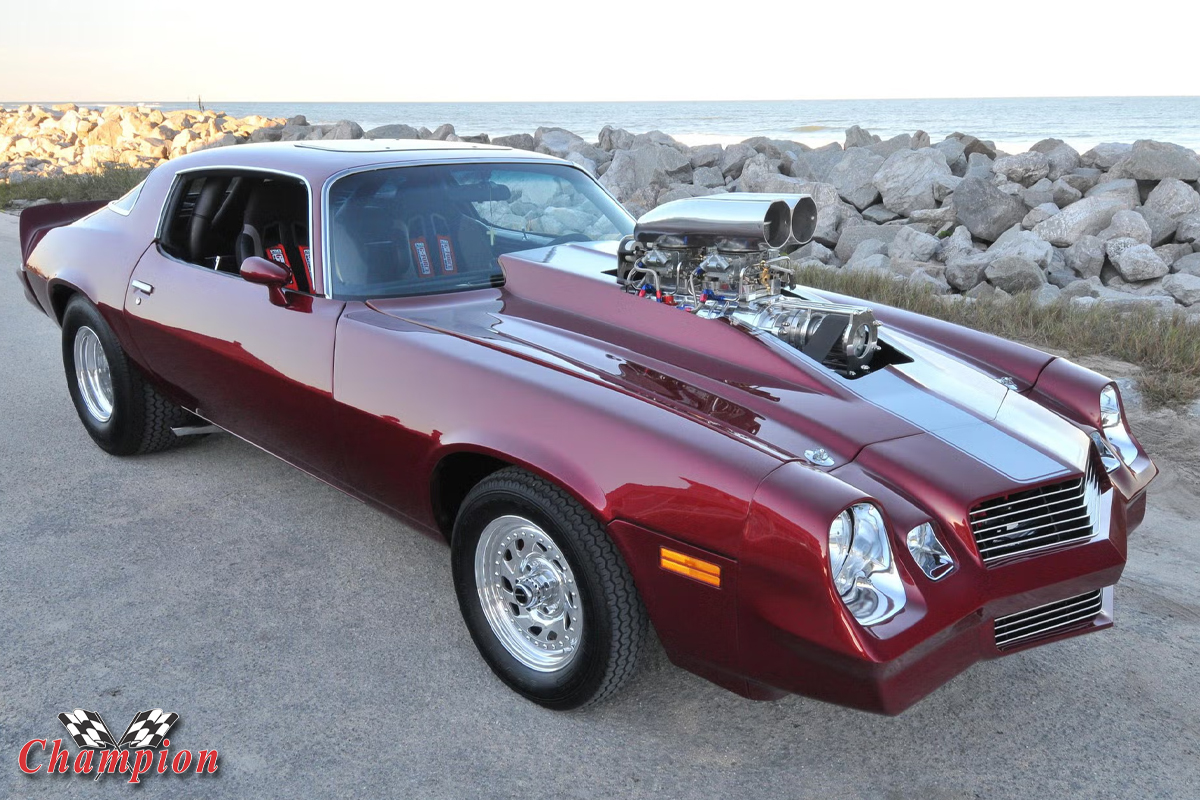
Like anything here in California, when there is a loophole that a few can slip through, the reins will get cinched up quickly and the rules will get reeled in for another makeover. Is this actually a loophole? Well, how can you tell one person that he or she can only drive their 1980 Camaro fewer than 1,000 miles per year, then someone else skates by with an entry to the Hot Rod Power Tour, driving completely across the states and back, with the exact same vehicle, simply because their insurance doesn’t limit mileage?
Yes, that’s a loophole that will likely be discovered prior to the when SB 1392 comes to fruition in January 2027. It will certainly shut down our hopes and dreams of enjoying our vehicles the way they were meant to be enjoyed: driven. What will this mean for the owner of a 1979 Toyota Corona that they rely on to get to and from work every day, because they can’t afford a newer car? They’ll have to smog it every other year, and try to squeeze by the restrictive standards.
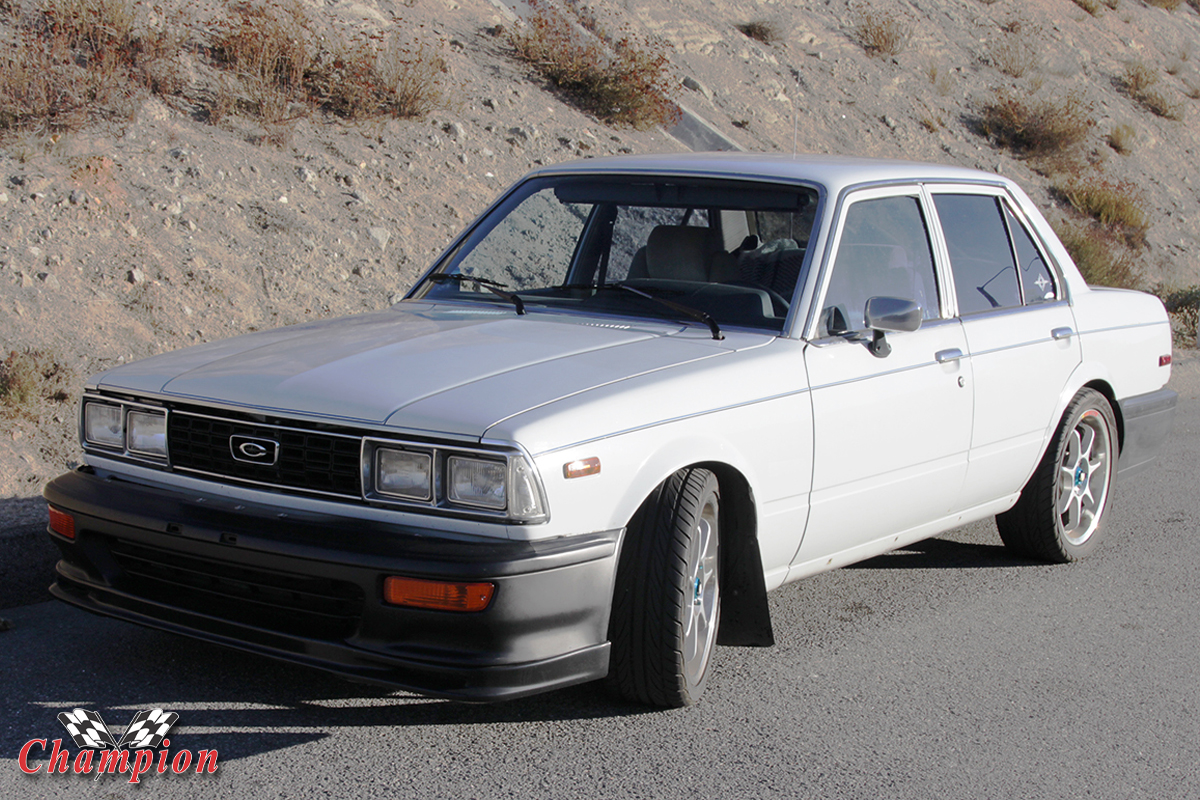
But the person who actually has a 1979 Toyota Corona insured with Hagerty as a collector vehicle will be able to skirt the biennial smog testing. How can you tell one owner they must still get a biennial smog check, and then give a hall pass to the other owner, when they drive the same car for different reasons? It’s like the words in the song by Glen Frey: “Someone’s gonna cry” and “someone’s gonna thank their lucky stars.” At least, until it all catches up with everyone and they have to make some changes. It really needs to be all vehicles, because isn’t this really about the limited availability of emissions components for 40 year old cars? Apparently not.
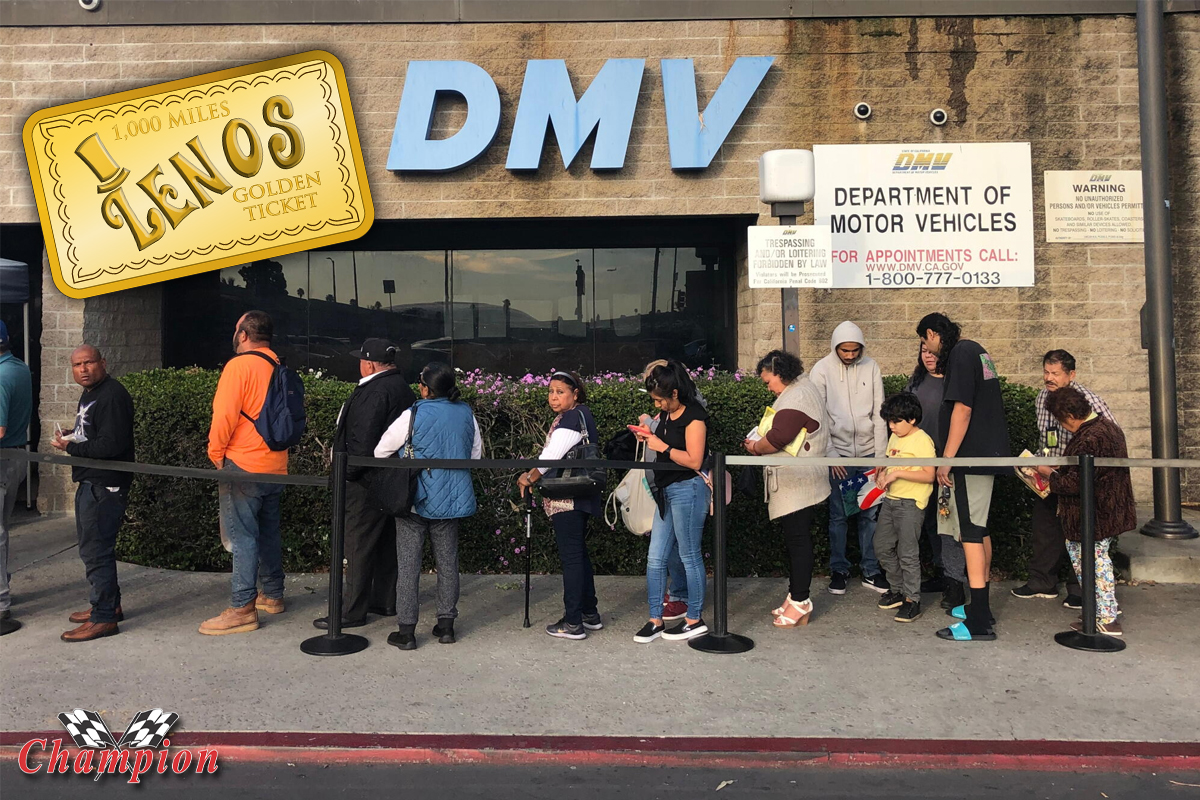
Regarding the “fewer than 1,000 miles per calendar year” or “insured as a collector motor vehicle,” we all know the DMV wants fewer people in the local branches. Someone has to do the verification, and we can imagine that the DMV will replace the biennial smog check notice with a notice to take your vehicle to an approved Gold Star test station to record your odometer reading, or verify proof of classic car insurance. But now they’ll request it every year for those who fall under this law, and both will cost the consumer; but how much? They won’t be doing so for free, we all know that much.
We did reach out to Senator Grove’s office asking for an interview, with the sole intention of clarifying these aforementioned questions and concerns, and we did hear back from a communications director asking when we would like to do the interview. But our reply must’ve fallen on dead ears, as we haven’t received a date or time for the interview. Perhaps the nature of the inquiry stirred some concerns and it was decided to make revisions; who knows?
The bottom line is this: SB 1392 is essentially The Leno Show. those who collect dozens of classic cars and trucks that they both register yearly and drive occasionally will benefit. They’ll save the money and the hassle of the biennial smog test on dozens or more vehicles, which can cost thousands of dollars per year. This bill is not really about the difficulty of actually passing the biennial smog check or lack of replacement parts; it seems more about the difficulty of parting with thousands of dollars for a vehicle that only gets driven once or twice per year, like those vehicles parked in Jay Leno’s Garage.